
< Back to the Blog
Perimenopause

Day 3 Testing vs. Continuous Monitoring: The Truth About Perimenopause Diagnosis

Dr Mary Parman
Dr Mary Parman
https://www.linkedin.com/in/maryparman/

Discover why traditional day 3 FSH testing often misses perimenopause and how continuous hormone monitoring provides the complete picture your doctor needs for accurate diagnosis and treatment.
No items found.
Modified On:
Published:
Jan 20, 2026
Est. Read Time:
0
Multi-week hormone tracking data showing erratic perimenopause patterns
Published:
Jan 29, 2026
Est. Read Time:
0

Discover why traditional day 3 FSH testing often misses perimenopause and how continuous hormone monitoring provides the complete picture your doctor needs for accurate diagnosis and treatment.

Perimenopause
Share to:

Discover why traditional day 3 FSH testing often misses perimenopause and how continuous hormone monitoring provides the complete picture your doctor needs for accurate diagnosis and treatment.

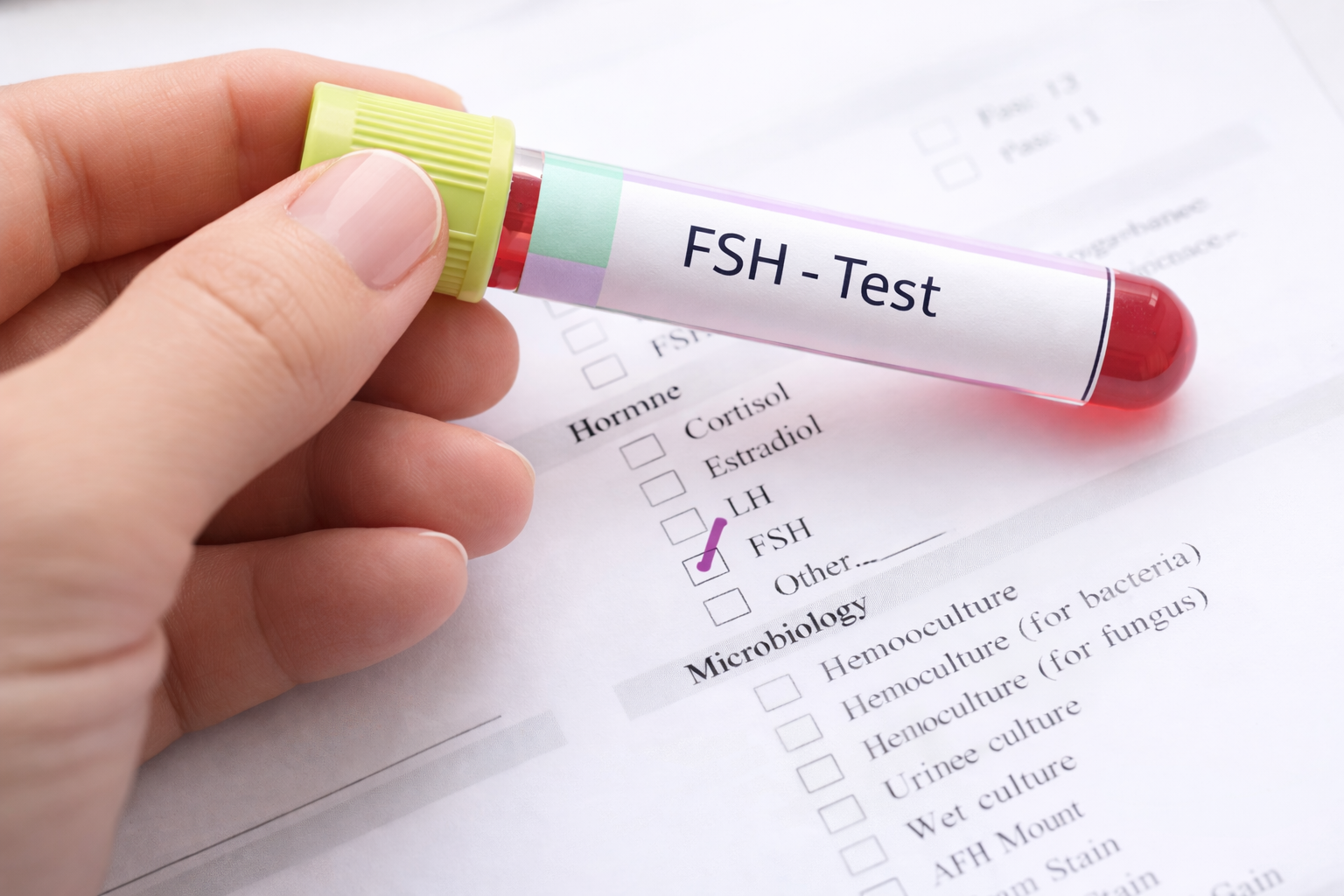
When Sarah, a 44‑year‑old patient, came to see me with irregular periods, night sweats, and feeling exhausted, it sounded like classic perimenopause.  However, she also brought in a lab result from another provider showing an FSH level of 9.  “Normal” she noted.  She was understandably frustrated but still seeking help.  

Perimenopause is not defined by a single blood draw.  Even an FSH level of 9 doesn’t rule that out, especially in an ovulatory cycle. One normal result, even done “by the book,” is just a snapshot in a process defined by big hormonal swings, not a stable on/off switch.

This scenario plays out in gynecology offices every day. Women experiencing clear perimenopausal symptoms receive "reassuring" normal test results that leave them confused, dismissed, and without answers. The problem isn't the test itself but our reliance on a single snapshot to capture a process defined by dramatic hormonal fluctuations.

Why Day 3 FSH Testing

To understand the limitations of day 3 testing, we first need to understand why it initially came into testing in women’s health in the first place. 

The Fertility Testing Origins

Day 3 FSH testing originated in the fertility world, not as a perimenopause diagnostic tool. Reproductive endocrinologists use FSH day 3 levels to assess ovarian reserve in women trying to conceive. The reasoning is straightforward: on the third day of your menstrual cycle, during the early follicular phase, FSH levels should be relatively low and stable if your ovaries are functioning well.

Elevated day 3 FSH suggests the pituitary gland is working overtime to stimulate aging ovaries that aren't responding efficiently - or it may mean one didn’t actually test on day 3 of the cycle. For fertility purposes, an elevated day 3 FSH may indicate diminished ovarian reserve and potentially lower success rates with conception.

The Migration to Perimenopause Testing

Because elevated FSH is associated with declining ovarian function, clinicians began using day 3 FSH tests to evaluate perimenopausal status. The logic seemed sound: if FSH rises as ovaries age, an elevated FSH could indicate perimenopause.

This approach works reasonably well for postmenopausal women who consistently show elevated FSH levels. However, it fails to capture the reality of perimenopause, which is characterized by wild hormonal swings rather than predictable elevations.

The Standard Protocol

When healthcare providers order a hormone test using the day 3 approach, they're typically looking at:

  • FSH (follicle-stimulating hormone): Expected to be elevated in perimenopause vs low in a non perimenopausal patient.
  • Estradiol (E2): Levels are typically low on day 3 of a healthy menstrual cycle and in perimenopause
  • Sometimes LH (luteinizing hormone): May be included but adds limited information

The test is specifically timed to day 3 of your menstrual cycle because this is when these hormones should be at their baseline, before the mid-cycle surge that triggers ovulation.

The Fatal Flaw: Hormones Don't Hold Still

Here's what makes relying on a single blood test perimenopause so problematic: perimenopausal hormones are in constant flux. What we're trying to capture with one test on one day is actually a moving target that changes not just weekly but sometimes hourly.

The Hormone Roller Coaster

During perimenopause, your hormones follow an unpredictable pattern:

  • FSH fluctuations: Your FSH might measure 8 mIU/mL (normal) on Monday, 35 mIU/mL (elevated) two weeks later, and back to 12 mIU/mL (borderline) the following month. These variations happen because your ovaries occasionally rally and respond to FSH, temporarily bringing levels back down, only to become resistant again as follicle quality declines. Or this may happen because there are normal and healthy FSH variations in an ovulatory cycle.  
  • Estradiol swings: Rather than showing a simple decline, estradiol in perimenopause often swings wildly. You might experience periods of surprisingly high estradiol (even higher than in your younger years) when follicles develop abnormally, followed by dramatic drops that trigger hot flashes and other symptoms.
  • Progesterone inconsistency: As ovulation becomes irregular, progesterone production becomes equally erratic, contributing to symptoms like heavy bleeding, breast tenderness, and mood changes.

What One Test Actually Tells You

A single day 3 perimenopause hormone test reveals only one thing: your hormone levels at that specific moment on that specific day. It cannot tell you:

  • What your levels were yesterday or will be tomorrow
  • Whether you're experiencing wide fluctuations
  • How your hormone patterns correlate with your symptoms
  • What phase of perimenopause you're in
  • Whether treatment is likely to help

This is like trying to understand a movie by looking at a single frame. You might capture an important moment, but you're missing the narrative arc, the character development, and the complete story.

The Research Behind Continuous Monitoring

Scientific literature increasingly supports what many women have experienced intuitively: serial hormone measurements provide superior diagnostic information compared to single-point testing.

SWAN Study Insights

The Study of Women's Health Across the Nation (SWAN), one of the largest and longest-running studies of the menopausal transition, followed women for over two decades. This research revealed that hormone levels during perimenopause show remarkable variability not just between women but within the same woman over time.

The study found that FSH levels could vary by 300% or more within a single individual over several months. Women with "normal" FSH on one test frequently showed elevated levels on subsequent testing, and vice versa. This variability was the norm, not the exception.

Pattern Recognition Over Single Values

Research published in the Journal of Clinical Endocrinology & Metabolism demonstrated that hormone patterns over time predicted symptom severity and treatment response better than any single hormone measurement. Women who showed larger fluctuations in estradiol experienced more intense hot flashes, regardless of their average estradiol level.

This suggests that it's not just how high or low your hormones are, but how dramatically they change that drives perimenopausal symptoms. A single test cannot capture this variability.

Clinical Practice Evolution

Forward-thinking clinicians have begun incorporating serial testing into their practice, asking patients to test at multiple time points across one or more cycles. However, this approach is limited by the practical challenges and costs of repeated laboratory visits.

This is where continuous at-home monitoring, like that offered by Oova, bridges the gap between what science tells us is ideal and what's practically feasible for most patients.

How to Test for Perimenopause: A Better Approach

Given the limitations of single-point testing, what constitutes an optimal approach to perimenopause hormone testing?

The Symptom-First Framework

The most important diagnostic tool isn't a test at all, it's a comprehensive symptom assessment. Before any blood work, you should document:

Menstrual pattern changes:

  • Cycle length variations (are cycles becoming irregular?)
  • Flow changes (heavier, lighter, or more variable?)
  • Skipped periods (how frequently?)
  • Bleeding between periods

Vasomotor symptoms:

  • Hot flash frequency and severity
  • Night sweats and their impact on sleep
  • Triggers you've identified

Other perimenopausal symptoms:

  • Sleep quality and insomnia patterns
  • Mood changes (irritability, anxiety, depression)
  • Cognitive symptoms (brain fog, memory issues)
  • Physical symptoms (joint pain, vaginal dryness, decreased libido)

This symptom data provides context that makes hormone testing more meaningful. Rather than looking at numbers in isolation, you can correlate hormone patterns with symptom patterns.

Strategic Single Testing

If you're pursuing traditional laboratory testing, strategic timing matters:

When single testing makes sense:

  • Initial evaluation: A baseline day 3 FSH and estradiol can establish a starting point
  • Ruling out other conditions: Thyroid testing (TSH, free T4), complete blood count, and metabolic panels are often more informative than repeated hormone testing
  • Premature ovarian insufficiency screening: If you're under 40, definitive testing with two FSH measurements at least one month apart is important.  This is done in an effort to look at your fertility not to diagnose perimenopause. 

Optimizing single test value: If you're getting traditional blood work to evaluate for fertility, consider testing on day 3 of your cycle (if cycles are still somewhat regular) including:

  • FSH
  • Estradiol
  • AMH

Depending on your symptoms and your goals, your doctor may order different or additional tests to look into potential causes.  Sometimes there can be more than one. 

The Continuous Monitoring Advantage

Continuous or serial hormone monitoring offers several advantages over single-point testing:

  • Captures variability: By testing multiple times across one or more cycles, you see the full range of hormone fluctuations rather than a single snapshot.
  • Identifies patterns: Repeated measurements reveal whether your hormones are relatively stable, moderately variable, or wildly erratic—information that influences treatment decisions.
  • Correlates with symptoms: When you track hormones alongside daily symptoms, you can identify which hormone changes correspond to your worst symptoms, enabling more targeted insight and treatment options.
  • Monitors treatment response: If you start hormone therapy or other interventions, serial testing shows whether treatment is stabilizing hormone levels and which adjustments might help.
  • Provides validation: For women whose single tests came back normal despite clear symptoms, continuous monitoring often reveals the dramatic fluctuations that may explain their symptoms.

Implementing Continuous Monitoring

Traditional continuous monitoring through repeated laboratory draws faces practical barriers:

  • Cost: Multiple blood draws quickly accumulate significant expenses
  • Time: Frequent clinic visits are difficult to schedule around work and life
  • Insurance coverage: Most insurance doesn't cover serial testing for perimenopause
  • Phlebotomy requirements: Not everyone has easy venous access or tolerates repeated blood draws

At-home continuous monitoring solves these challenges. Platforms like Oova allow you to test hormones from home using simple finger-prick samples, making frequent testing practical and affordable. You can test 2-3 times per week or even daily during certain cycle phases, generating the comprehensive data that single tests can't provide.

The Oova perimenopause monitoring system tracks FSH, LH, and estradiol patterns over time while you simultaneously log symptoms through the app. This creates a complete picture of your hormonal transition that you can share with your healthcare provider for more informed clinical decisions.

Real-World Examples: When Day 3 Testing Fails

Let me share several patient scenarios that illustrate why single testing is insufficient:

Case 1: The "Normal" Test with Classic Symptoms

Jennifer, 46, experienced hot flashes, night sweats, and increasingly irregular periods. Her day 3 FSH was 11 mIU/mL and estradiol was 65 pg/mL, both technically normal. 

Looking for further insight, Jennifer began continuous home monitoring. Her data revealed that while her day 3 FSH was indeed normal, her FSH spiked to 42 mIU/mL mid-cycle and her estradiol swung from 25 to 185 pg/mL within a two-week period. These dramatic fluctuations correlated with her symptom flares.

Armed with this data, her data was consistent with perimenopausal fluctuations.  Together with her provider she opted to start low-dose hormone therapy that dramatically improved her quality of life.

Case 2: The Elevated Test Without Symptoms

Rebecca, 43, had perfectly regular periods and no symptoms but requested perimenopause testing "just to check." Her day 3 FSH came back at 18 mIU/mL, borderline elevated. This created anxiety about premature menopause and fertility.

Serial monitoring over six weeks showed that while her FSH was elevated that one day, it averaged around 9 mIU/mL and remained quite stable. She likely caught her test on an outlier day. With reassurance that her hormones were actually quite stable, her anxiety resolved without unnecessary interventions.

Case 3: The Treatment That Wasn't Working

Maria started hormone therapy for perimenopausal symptoms based on a single elevated FSH. After three months, her symptoms hadn't improved. Her doctor increased her estrogen dose, but she still felt terrible.

Continuous monitoring while on treatment revealed that her estradiol levels were actually quite high and stable on therapy, her symptoms weren't from low estrogen. Further investigation identified sleep apnea as the culprit behind her fatigue and night sweating. Without the continuous monitoring data, she might have continued to struggle with her symptoms.

The Practical Guide to Getting Better Testing

If you're trying to navigate perimenopause diagnosis, here's a practical roadmap:

Step 1: Document Thoroughly Before Testing

Spend at least one month tracking:

  • Daily symptoms and their severity (using a 1-10 scale)
  • Menstrual dates and characteristics
  • Potential triggers for symptoms
  • Impact on daily functioning and quality of life

This documentation provides essential context for interpreting any test results. Oova's integrated symptom tracking makes this easy by combining symptom logs with hormone data in one platform.

Step 2: Have a Strategic Conversation with Your Provider

Rather than simply requesting hormone testing, have a specific conversation:

"I've been tracking my symptoms for [timeframe] and they seem consistent with perimenopause. I understand that a single day 3 test might not capture hormone fluctuations. Can we discuss my options of next steps of evaluation and treatment to help me feel better?”

Share your symptom diary and explain why you're seeking testing, whether for diagnosis, ruling out other conditions, or establishing baseline values before potential treatment.

Step 3: Consider Your Testing Options

Discuss with your provider:

Traditional laboratory testing:

  • Pros: Covered by insurance, established reference ranges, familiar to providers
  • Cons: Single point in time, requires office visit, expensive if repeated
  • Best for: Initial workup, ruling out other conditions, establishing baseline

At-home continuous monitoring:

  • Pros: Captures patterns over time, convenient, correlates hormones with symptoms
  • Cons: May require out-of-pocket cost, urine vs finger-prick vs venous blood, newer approach
  • Best for: Understanding hormone variability, treatment monitoring, comprehensive assessment

Hybrid approach:

  • Initial lab work for comprehensive panel (hormones, thyroid, blood count)
  • At-home continuous monitoring to capture patterns
  • Follow-up lab work if treatment is initiated

Step 4: Interpret Results in Context

Whatever testing approach you choose, remember:

Normal results don't invalidate symptoms: If your single test is normal but symptoms are classic for perimenopause, continue to look into it. Consider additional testing (for perimenopause or other conditions that can mimic these symptoms) or discuss empiric treatment trials.

Elevated results don't require treatment: High FSH or low estradiol indicates ovarian changes but doesn't automatically mean you need medication. Treatment decisions should be based on symptoms, risks/benefits and preferences not numbers.

Patterns matter more than values: Whether FSH is 15 or 25 mIU/mL is less important than whether it's stable or fluctuating wildly and how those patterns correlate with how you feel.

Context is everything: Age, symptoms, menstrual pattern, and personal health history matter more than any lab value.

Step 5: Create a Monitoring Plan

Once you have initial data, develop an ongoing plan:

If symptoms are mild and single testing was informative:

  • Focus on lifestyle modifications and symptom tracking

If symptoms are moderate and single testing was unclear:

  • Implement continuous monitoring for 1-3 cycles
  • Track symptom correlation with hormone patterns
  • Reassess treatment options based on comprehensive data

If symptoms are severe:

  • Don't wait for perfect diagnostic data
  • Consider a 6-8 week course of treatment (often hormone therapy)
  • Use monitoring to guide dose adjustments and track response

If treatment is started:

  • Adjust with your provider based on symptoms
    • If symptoms are not improving then consider checking your hormone level for adequate dosing.  
    • If symptoms are not improving then follow up with your provider to look for other causes of your symptoms
  • Continue tracking symptom improvement/stability

The Science of Symptom-Hormone Correlation

One of the most valuable aspects of continuous monitoring is the ability to correlate specific hormone patterns with specific symptoms. Research has identified several important connections:

Hot Flashes and Estradiol Variability

Studies show that hot flash frequency correlates more strongly with the rate of estradiol decline than with absolute estradiol levels. A woman with estradiol of 40 pg/mL who experienced a rapid drop from 120 pg/mL will have worse hot flashes than a woman whose estradiol has been stable at 40 pg/mL. Continuous monitoring reveals these patterns of change that single testing misses entirely.

Mood Symptoms and Hormone Fluctuations

Research indicates that larger hormone fluctuations predict worse mood symptoms during perimenopause. It's not just about low estrogen, it's about unstable estrogen and progesterone.

Women with more stable hormone patterns tend to have fewer mood symptoms, even if their average hormone levels are similar to women with erratic patterns who experience significant depression and anxiety.

Sleep Disruption and Nighttime Hot Flashes

Night sweats severe enough to disrupt sleep strongly correlate with rapid evening declines in estradiol. Some women experience predictable symptom patterns based on cycle phase, which only becomes apparent with serial testing. Understanding these patterns allows for more strategic treatment decisions. 

Cognitive Symptoms and Estradiol Lows

The "brain fog" many perimenopausal women experience appears to correlate with periods of particularly low estradiol. Continuous monitoring can identify whether cognitive symptoms cluster during certain hormone phases, helping women anticipate and plan around these episodes.

Addressing Provider Skepticism

If your healthcare provider is unfamiliar with continuous monitoring that is ok, it is not the standard of care and is not widely accessible to most providers nor is it covered by insurance.  

Have Data Ready

Present your case with:

  • Symptom diary showing frequency, severity and timing relative to your menstrual cycle

Know When to Seek Specialized Care

If your provider remains dismissive despite clear symptoms and comprehensive data, consider:

  • Seeking a second opinion
  • Requesting referral to a menopause specialist
  • Finding a provider certified by the North American Menopause Society (NAMS)
  • Consulting with gynecologists who have specific interest in midlife women's health

Making Continuous Monitoring Work for You

If you decide to pursue continuous monitoring, here's how to maximize its value:  Work with a company that offers this type of testing (it’s not yet widely available by most providers). 

Establish a Testing Schedule

The platform you choose will typically recommend specific timing to the testing.

If cycles are still somewhat regular:

  • Testing can be done at certain phases of your cycle to capture the full hormonal arc of your cycle.

If cycles are irregular:

  • Testing may take several months
  • Mark any bleeding on your tracking calendar
  • Note symptoms daily

Frequent testing reveals patterns even when cycles are unpredictable.

Track Symptoms Consistently

Hormone data becomes most valuable when paired with symptom data. Rate daily:

  • Hot flash frequency and severity
  • Sleep quality (1-10 scale)
  • Mood (1-10 scale)
  • Energy level
  • Cognitive clarity
  • Any other symptoms relevant to you

Oova's app integrates symptom tracking with hormone results, automatically creating correlation graphs that reveal patterns you might otherwise miss. Oova partners with hundreds of telehealth providers across the United States who can help Oova users review & action on their data. 

Review Patterns Monthly

At the end of each cycle or month your hormone tracking platform will often help you to:

  • Look for hormone-symptom correlations
  • Identify your worst symptom days and check corresponding hormone levels
  • Note any patterns in when symptoms occur

Share Data with Your Provider

Bring comprehensive data to appointments:

  • You may consider bringing this into your provider.  However, most providers are hesitant to interpret data that was not ordered by them
  • Discuss treatment adjustments/considerations based on patterns

Beyond Diagnosis: Monitoring Treatment

Continuous monitoring doesn't stop being valuable once perimenopause is confirmed or treatment begins. In fact, for some women it becomes even more useful:

Finding the Right Hormone Therapy Dose

If you start hormone therapy, continuous monitoring helps:

  • Confirm that estradiol levels reach therapeutic range (typically 40-100 pg/mL)
  • Identify if doses are too high (leading to breast tenderness, bloating) or too low (persistent symptoms)

Tracking Non-Hormonal Interventions

Continuous monitoring can also reveal whether lifestyle changes or non-hormonal treatments are affecting your hormone patterns:

  • Does regular exercise stabilize your levels?
  • Have you had >15pound weight loss or gain and now your symptoms are different?
  • Do certain supplements influence hormone variability?
  • Are stress management techniques reducing fluctuation amplitude?

Identifying When to Stop Treatment

If you eventually decide to discontinue hormone therapy, monitoring helps:

  • Taper doses while watching for symptom return
  • Identify if you've reached postmenopause (consistently elevated FSH, low estradiol)
  • Restart treatment if symptoms return during tapering

The Cost-Benefit Analysis

One practical consideration is cost. Let's compare approaches:

Traditional Laboratory Testing

Single test (FSH + estradiol):

  • Lab cost: $100-300 without insurance
  • Copay with insurance: $0-50
  • To get 3 months of data: $300-900

Comprehensive panel:

  • Can exceed $500 per test without insurance
  • Insurance coverage varies

Continuous At-Home Monitoring

Monthly subscription models:

  • Typically $50-150 per month depending on testing frequency
  • Includes unlimited app access and data tracking
  • No insurance billing hassles

Per-test models:

  • $30-60 per test
  • For 8-12 tests per month: $240-720

Value Considerations

When evaluating cost:

  • Diagnostic accuracy: Is one accurate test better than multiple partial views?
  • Time and convenience: What's your time worth for avoiding clinic visits?
  • Insurance coverage: Will insurance cover repeated lab testing for perimenopause?
  • Action on results: Will you actually use the data to inform decisions?

For many women, the comprehensive picture from continuous monitoring justifies the cost, particularly when single testing has been uninformative or when trying to optimize treatment.

The Bottom Line: Moving Beyond One-and-Done Testing

The truth about perimenopause diagnosis is that relying on a single blood test perimenopause, whether FSH day 3 or any other one-time measurement, misses the essential nature of this transition. Perimenopause is defined by variability, and you cannot capture variability with a single data point.

Single day 3 testing:

  • Provides a snapshot that may or may not be representative
  • Was designed for fertility assessment, not perimenopause diagnosis
  • Can be normal even when you're clearly perimenopausal
  • Can be elevated on an off day, creating false concern
  • Offers little to no information about hormone patterns or symptom correlation

Continuous monitoring:

  • Captures the full range of hormonal fluctuations
  • Reveals patterns that correlate with symptoms and treatment response
  • Validates experiences that single tests might dismiss
  • Guides treatment decisions with comprehensive data

The optimal approach:

  • Starts with thorough symptom documentation
  • Uses strategic single testing to rule out other conditions and establish baselines
  • Incorporate continuous monitoring when diagnosis is unclear or patterns matter
  • Interpret all testing in the context of age, symptoms, and individual presentation
  • Prioritize symptom relief over achieving specific lab values

Your Action Plan

If you're wondering how to test for perimenopause effectively:

This week:

This month:

  • Schedule an appointment focused specifically on your perimenopausal concerns
  • Discuss testing strategies with your provider
  • Complete initial laboratory work if recommended

Over the next 3 months:

  • Maintain consistent symptom tracking
  • Identify patterns in your data
  • Schedule follow-up with your provider to review your progress

Ongoing:

  • Use data to guide treatment decisions
  • Monitor treatment response
  • Adjust your approach based on symptom improvement

Embracing a More Complete Picture

The shift from single-point testing to continuous monitoring represents a broader change in how we approach perimenopause care. Rather than looking for a yes-or-no answer from a single test, we're embracing the complexity of this transition and gathering the comprehensive data needed to support each woman's unique experience.

Your perimenopause won't look like anyone else's. Your hormone patterns, symptom constellation, and treatment needs are individual. One-size-fits-all testing can't capture this individuality, but thoughtful, comprehensive monitoring can.

Whether you pursue traditional laboratory work, at-home continuous monitoring, or a combination approach, the key is gathering enough information to tell your complete story, not just capture a single moment. Your symptoms matter. Your patterns matter. Your experience deserves validation and the comprehensive data to support it.

For more information on continuous hormone monitoring and comprehensive perimenopause care, explore Oova's educational resources and testing solutions designed specifically for women navigating this transition.

About the author

Dr Mary Parman
Dr. Mary Parman is an OB/GYN with nearly 20 years of experience and a leading voice at the intersection of clinical care and women’s health technology.

Sources

  1. Harlow SD, et al. Executive summary of the Stages of Reproductive Aging Workshop + 10: addressing the unfinished agenda of staging reproductive aging. J Clin Endocrinol Metab. 2012;97(4):1159-1168.
  2. Santoro N, et al. Body size and ethnicity are associated with menstrual cycle alterations in women in the early menopausal transition: The Study of Women's Health Across the Nation (SWAN) Daily Hormone Study. J Clin Endocrinol Metab. 2004;89(6):2622-2631.
  3. Freeman EW, et al. Associations of hormones and menopausal status with depressed mood in women with no history of depression. Arch Gen Psychiatry. 2006;63(4):375-382.
  4. Tepper PG, et al. Trajectory clustering of estradiol and follicle-stimulating hormone during the menopausal transition among women in the Study of Women's Health across the Nation (SWAN). J Clin Endocrinol Metab. 2012;97(8):2872-2880.
  5. Woods NF, Mitchell ES. Symptom interference with work and relationships during the menopausal transition and early postmenopause: observations from the Seattle Midlife Women's Health Study. Menopause. 2011;18(6):654-661.
https://www.oova.life/blog/positive-opk-period-still-came
How often does this happen in women without PCOS?
Anovulation affects 10–20% of all cycles, even in women with regular periods and no fertility diagnosis. It's more common in cycles that are very short (under 21 days) or very long (over 35 days), and in times of stress or illness.
https://www.oova.life/blog/positive-opk-period-still-came
Should I stop using OPKs?
Not necessarily. OPKs are still useful for timing intercourse, the LH surge is the start of your fertile window, and sex during this time increases conception odds. Just don't assume an OPK positive is the same as confirmed ovulation.
https://www.oova.life/blog/positive-opk-period-still-came
My doctor said my progesterone was low at 7 DPO. Does that mean I didn't ovulate?
Possibly. Progesterone below 3 ng/mL at 7 DPO usually indicates anovulation. But if your level is 3–8 ng/mL, you may have ovulated with a weak corpus luteum, not enough progesterone to sustain pregnancy. Both scenarios need further investigation.
https://www.oova.life/blog/positive-opk-period-still-came
Can I tell if I ovulated just by how I feel?
Not reliably. Some women notice ovulation pain (mittleschmerz), changes in cervical mucus, or changes in mood, but these aren't consistent or unique to ovulation. Only hormone data or BBT confirms it.
https://www.oova.life/blog/positive-opk-period-still-came
If I get a positive OPK, is there any chance I'm not actually ovulating?
Yes. Studies show that 20–40% of LH surges may not result in ovulation. The probability varies by cycle regularity, hormonal health, and underlying conditions like PCOS. A positive OPK is a green light to have sex, but it's not a guarantee.
https://www.oova.life/blog/why-hormones-look-normal-but-feel-terrible
Can daily hormone tracking tell me if my HRT is working?
Yes. Daily tracking measures whether your estradiol and progesterone are reaching therapeutic levels, and whether levels are stable or fluctuating in ways that might explain ongoing symptoms. This is particularly useful for identifying HRT dose issues early, rather than waiting months for a clinical follow-up.
https://www.oova.life/blog/why-hormones-look-normal-but-feel-terrible
Why do my hormones fluctuate so much during perimenopause?
During perimenopause, the communication between the brain and the ovaries becomes less predictable. The ovaries don't respond as consistently to FSH signals, causing estrogen to spike and drop erratically before its overall decline. This variability, not steady decline, is what drives the unpredictability of perimenopause symptoms.
https://www.oova.life/blog/why-hormones-look-normal-but-feel-terrible
What should I do if my hormone test is normal but I still have symptoms?
Request a longer-term evaluation rather than a single-point test. Ask your provider specifically about perimenopause staging per STRAW+10 criteria. Consider at-home daily hormone tracking to document your patterns over several cycles. Arriving with longitudinal data gives your provider something concrete to work with, and makes dismissal much harder.
https://www.oova.life/blog/why-hormones-look-normal-but-feel-terrible
What blood tests are most accurate for perimenopause?
FSH and estradiol are the most commonly ordered tests, but neither is definitive on its own. The STRAW+10 framework uses a combination of cycle changes, FSH levels, and time criteria to stage perimenopause. No single blood test reliably diagnoses perimenopause, which is why tracking hormones over time is clinically more informative. For a full comparison of tests, see FSH vs. AMH vs. estradiol for perimenopause.
https://www.oova.life/blog/why-hormones-look-normal-but-feel-terrible
Can perimenopause hormones come back normal on a blood test?
Yes, and this is extremely common. Because perimenopause is defined by hormonal fluctuation rather than consistently low levels (especially in early stages), a blood test drawn on a hormonally "stable" day will often fall within normal reference ranges. This does not mean your hormones are balanced or that perimenopause isn't occurring.
www.oova.life/blog/how-long-does-ovulation-last
Can you ovulate for more than 24 hours?
‍No. Once the egg is released, it remains viable for a maximum of 24 hours. If it isn't fertilized in that time, it disintegrates. However, your fertile window extends well beyond that single day because sperm can survive up to 5 days waiting for the egg.
www.oova.life/blog/how-long-does-ovulation-last
Can you feel ovulation happening?
‍Some women feel mild cramping or a twinge on one side of the lower abdomen around ovulation, sometimes called mittelschmerz. Other signs include changes in cervical mucus and a slight increase in sex drive. But many women don't feel anything at all, which is why hormone tracking is more reliable than symptoms alone.
www.oova.life/blog/how-long-does-ovulation-last
How long after ovulation can you get pregnant?
‍You can get pregnant from sex that happened up to 5 days before ovulation, since sperm survive that long in the reproductive tract. After ovulation, the egg is only viable for 12–24 hours. So realistically, your window closes about a day after you ovulate.
www.oova.life/blog/how-long-does-ovulation-last
How do I know when ovulation is over?
‍The most reliable sign that ovulation has passed is a sustained rise in progesterone, which typically begins 1–2 days after the egg is released. A rise in basal body temperature can also indicate ovulation has occurred, though this only confirms it after the fact. Tracking hormones like LH and progesterone daily gives you the clearest picture.
www.oova.life/blog/perimenopause-spotting
How do I know if it's perimenopause spotting or something else?
The key indicators of normal perimenopause spotting are: it's light (panty liner only), occurs occasionally between periods, is light pink, red, or brown in color, and you're in the typical age range for perimenopause (late 30s to early 50s). It's likely something else if the bleeding is heavy, occurs after sex every time, comes with severe pain, has a foul odor, or you've gone 12+ months without a period (meaning you're postmenopausal). When in doubt, track your symptoms and discuss them with your doctor.
www.oova.life/blog/perimenopause-spotting
Can perimenopause spotting be pink?
Yes, pink spotting during perimenopause is completely normal. Pink spotting occurs when a small amount of blood mixes with cervical fluid or discharge. This is especially common during ovulation spotting or when hormone levels cause light, irregular shedding of the uterine lining. Pink discharge or spotting is generally nothing to worry about as long as it's light, occasional, and not accompanied by pain, itching, or an unusual odor.
www.oova.life/blog/perimenopause-spotting
Can HRT cause spotting during perimenopause?
Yes, spotting is common when you first start HRT or when your dose changes. Your body needs time to adjust to the new hormone levels, and some irregular bleeding during the first 3 to 6 months is typical. If spotting continues beyond that, or gets heavier, your dose may need adjusting, which is where tracking your hormone levels can help you and your doctor determine whether your current regimen is working or needs to be fine-tuned.
www.oova.life/blog/perimenopause-spotting
Does perimenopause spotting mean menopause is close?
Not necessarily. Perimenopause can last anywhere from 4 to 10 years before you reach menopause (defined as 12 months without a period). Spotting can occur at any point during perimenopause, early, middle, or late stages. While spotting is common throughout the entire perimenopause transition, the frequency and pattern of your cycles matter more for predicting menopause timing. If your periods are becoming less frequent and you're going 60+ days between cycles, you may be in late perimenopause.
www.oova.life/blog/perimenopause-spotting
When should I worry about perimenopause spotting?
You should see your doctor about perimenopause spotting if you experience: heavy bleeding that soaks through multiple pads or tampons per day, spotting or bleeding that lasts 3+ weeks continuously, periods or spotting occurring every 2 weeks or more frequently, regular bleeding after sex, or consistent spotting between periods nearly every cycle. These patterns could indicate conditions like fibroids, polyps, endometrial hyperplasia, or other issues that need medical evaluation.
www.oova.life/blog/perimenopause-spotting
Can I still get pregnant if I'm having perimenopause spotting?
Yes, you can still get pregnant during perimenopause, even if you're experiencing spotting and irregular cycles. As long as you're still having periods (even irregular ones) and ovulating occasionally, pregnancy is possible. If you're sexually active and not planning to conceive, continue using birth control until you've gone 12 full months without a period (which confirms you've reached menopause). If you're concerned your spotting could be implantation bleeding, take a pregnancy test.
www.oova.life/blog/perimenopause-spotting
Is spotting normal at the beginning of perimenopause?
Yes, spotting is often one of the earliest signs of perimenopause and can begin in your late 30s or early 40s. In fact, irregular cycles and spotting between periods are among the first noticeable changes many women experience as their hormones begin to shift. If you're in your late 30s or 40s and suddenly noticing mid-cycle spotting when you never had it before, it could be an early indicator that you're entering perimenopause.
www.oova.life/blog/perimenopause-spotting
What's the difference between perimenopause spotting and a period?
Perimenopause spotting is light bleeding that requires only a panty liner, appears as faint stains on underwear, or is only noticeable when wiping. A period, even a light one, typically requires pads or tampons, lasts 3-7 days, and involves more consistent flow. If you're unsure whether you're experiencing spotting or a light period, consider the amount: spotting is usually less than a tablespoon of blood total, while even a light period involves several tablespoons over multiple days.
www.oova.life/blog/perimenopause-spotting
Can stress cause spotting in perimenopause?
While stress doesn't directly cause perimenopause spotting, it can worsen hormone fluctuations that lead to spotting. Chronic stress affects your cortisol levels, which can interfere with estrogen and progesterone balance, the same hormones responsible for regulating your cycle. If you notice more frequent spotting during particularly stressful times, managing stress through exercise, sleep, meditation, or therapy may help stabilize your cycles and reduce spotting episodes.
www.oova.life/blog/perimenopause-spotting
Is spotting every day during perimenopause normal?
No, daily spotting isn't typical during perimenopause. While occasional spotting between periods is common, experiencing spotting consistently every day could indicate a hormonal imbalance or another health condition that needs medical attention. If you've been spotting daily for more than a week, or if the spotting is getting heavier, schedule an appointment with your doctor to rule out conditions like polyps, fibroids, or thyroid issues.
www.oova.life/blog/perimenopause-spotting
What color is perimenopause spotting?
Perimenopause spotting is usually light pink or light red in color. You may also see brown spotting, which is simply older blood that's taking longer to exit your body. Brown spotting during perimenopause is also generally normal. However, if you notice gray discharge, bright red heavy bleeding, or spotting with an unusual odor, contact your doctor as these could be signs of infection or other conditions.
www.oova.life/blog/perimenopause-spotting
Can you have brown spotting during perimenopause?
Yes, brown spotting is very common during perimenopause and is usually normal. The brown color means the blood is older and has oxidized before leaving your body. This often happens when hormone fluctuations cause your uterine lining to shed slowly or irregularly. As long as the brown spotting is light, occasional, and not accompanied by pain, foul odor, or other concerning symptoms, it's typically just another variation of normal perimenopause spotting.
www.oova.life/blog/perimenopause-spotting
How long does perimenopause spotting last?
Normal perimenopause spotting typically lasts 1-3 days and occurs occasionally between periods. The spotting should be light enough to manage with a panty liner. However, if you experience spotting that lasts for 3 weeks or longer, or if it happens every single cycle, this warrants a conversation with your healthcare provider to ensure there isn't an underlying condition that needs treatment.
www.oova.life/blog/ovulation
How long should I try to conceive before seeing a doctor?
If you're under 35, healthcare providers typically recommend seeking medical evaluation after 12 months of regular unprotected intercourse without conception. However, if you're 35 or older, it's advisable to consult a fertility specialist after just six months of trying, since fertility declines more rapidly in the mid to late 30s. If you have irregular cycles, a history of miscarriages, known reproductive health conditions like PCOS or endometriosis, or other concerning symptoms, you may want to see a specialist sooner.
www.oova.life/blog/ovulation
Can you get pregnant when you're not ovulating?
No, you cannot get pregnant without ovulation because there's no egg available for fertilization. However, you can get pregnant from sex that happens before ovulation since sperm can survive up to 5 days waiting for the egg to be released.
www.oova.life/blog/ovulation
What affects my chances of getting pregnant each cycle?
For couples with no fertility issues, the overall rate of conception in any given month is about 25%. Nearly 80% of couples become pregnant within the first six months of trying. The highest pregnancy rates occur when couples have intercourse during the one to two days immediately before ovulation, within the six-day fertile window that ends on ovulation day. Beyond timing, factors like age, overall health, lifestyle choices, and underlying reproductive conditions can all influence your monthly conception chances.
www.oova.life/blog/ovulation
What happens if you don't ovulate?
Not ovulating (called an anovulatory cycle) means you cannot get pregnant that month. Occasional anovulatory cycles are normal, but frequent lack of ovulation may indicate conditions like PCOS, thyroid issues, or perimenopause, and should be discussed with a healthcare provider.
www.oova.life/blog/ovulation
Can you ovulate without a period?
Yes. Ovulation and menstruation are related but not dependent on each other. You can ovulate without getting a period afterward,this is common during breastfeeding, in the months after stopping hormonal birth control, and during perimenopause. It's also possible to have a period without ovulating (called an anovulatory cycle), where your body sheds the uterine lining even though no egg was released. If you're trying to conceive, this is why tracking hormones like LH and progesterone is more reliable than relying on your period alone to confirm that ovulation happened.elf lasts only 12-24 hours the time the egg remains viable after being released. However, your fertile window is about 6 days long (5 days before ovulation plus ovulation day) because sperm can survive in the reproductive tract for up to 5 days.
www.oova.life/blog/ovulation
When does ovulation occur in your cycle?
Ovulation typically occurs around the middle of your menstrual cycle. In a 28-day cycle, this is usually day 14. However, cycle length variesovulation can happen anywhere from day 11 to day 21 depending on your unique cycle length and hormone patterns.
www.oova.life/blog/ovulation
How do you know if you're ovulating?
Signs of ovulation include clear, stretchy "egg-white" cervical mucus, mild pelvic cramping, breast tenderness, increased sex drive, and a slight rise in basal body temperature. The most accurate way to confirm ovulation is tracking hormone levels, specifically the LH surge followed by rising progesterone.
www.oova.life/blog/ovulation
Can I ovulate more than once in a cycle?
While you can't ovulate on separate days within the same cycle, your body can release multiple eggs at the same time during a single ovulation event, a phenomenon called hyperovulation. When this occurs, both eggs are released within a 24-hour window on ovulation day. Hyperovulation can result in fraternal twins if both eggs are fertilized by different sperm. Factors like age over 35, genetics, and recent discontinuation of hormonal birth control can increase the likelihood of hyperovulation.
www.oova.life/blog/ovulation
What is ovulation in simple terms?
Ovulation is when your ovary releases a mature egg each month. The egg travels down the fallopian tube and can be fertilized by sperm for 12-24 hours. If fertilized, it becomes a pregnancy. If not, it disintegrates and you get your period about 2 weeks later.
www.oova.life/blog/spotting-before-period
When should I be worried about spotting before my period?
Most spotting is harmless, but contact your doctor if you experience heavy spotting similar to full bleeding, spotting every cycle or almost every cycle, spotting accompanied by pelvic pain, fatigue, or dizziness, or spotting alongside other signs of a hormonal imbalance. Spotting can occasionally signal an underlying condition like PCOS, thyroid disorders, fibroids, or infections, so persistent or unusual spotting is worth investigating.
www.oova.life/blog/spotting-before-period
Is spotting before your period a sign of pregnancy?
It can be. Light spotting 10 to 14 days after ovulation is sometimes implantation bleeding, which happens when a fertilized egg attaches to the uterine lining. About 15% to 25% of people experience it. Implantation bleeding is usually pink or brown, lighter than a period, and only lasts a day or two. If your period doesn't arrive a few days later, consider taking a pregnancy test.
www.oova.life/blog/spotting-before-period
How can I tell the difference between spotting and a period?
Spotting is light enough that a panty liner is usually all you need, it tends to be pink or brown rather than red, doesn't fill a pad or tampon, and often only lasts a day or two. A period is heavier, redder, lasts several days, and typically comes with cramping. If you're seeing bright red bleeding that soaks through a liner, that's more likely a period starting early than spotting.
www.oova.life/blog/spotting-before-period
Is spotting before your period normal in perimenopause?
Yes, spotting is one of the most common early signs of perimenopause. As estrogen and progesterone start fluctuating unpredictably, your uterine lining can shed irregularly, causing spotting between periods. You may also experience spotting after sex due to vaginal atrophy, another hormone-driven perimenopause symptom. If spotting is heavy, frequent, or accompanied by other concerning symptoms, talk to your doctor.
www.oova.life/blog/why-is-my-period-late-but-my-pregnancy-test-is-negative
Can stress really delay your period?
‍Absolutely. Stress affects the hypothalamus, which regulates hormones controlling your menstrual cycle. Significant stress can delay ovulation and therefore your period.
www.oova.life/blog/why-is-my-period-late-but-my-pregnancy-test-is-negative
How long can your period be late without being pregnant?
‍Periods can be late for various reasons unrelated to pregnancy. If you're not pregnant, a period can be delayed by several days to weeks due to stress, illness, or hormonal changes. However, if your period is more than a week late and tests remain negative, consult your doctor.
www.oova.life/blog/why-is-my-period-late-but-my-pregnancy-test-is-negative
What should I do if my period is 2 weeks late but the test is negative?
‍Take another test. If it's still negative and your period doesn't arrive, schedule an appointment with your healthcare provider to investigate potential causes.
www.oova.life/blog/why-is-my-period-late-but-my-pregnancy-test-is-negative
Can you be pregnant with a negative test?
‍Yes, especially if you test too early. Wait until at least a few days after your missed period and retest. HCG levels need time to rise to detectable levels.
https://www.oova.life/blog/perimenopause-anxiety-or-disorder
What's the difference between perimenopause anxiety and PMDD?
PMDD (premenstrual dysphoric disorder) involves severe mood symptoms in the 1–2 weeks before your period, resolving when your period starts. Perimenopausal anxiety can be more continuous and less predictably tied to the luteal phase, particularly as cycles become irregular. Some women who previously had PMDD find that symptoms intensify and shift during perimenopause as hormone fluctuations become less predictable.
https://www.oova.life/blog/perimenopause-anxiety-or-disorder
My doctor says my hormones are normal. Can I still be in perimenopause?
Yes. Hormone levels fluctuate dramatically during perimenopause and a single blood test often misses the pattern. It's entirely possible to have a normal FSH result while experiencing significant perimenopausal symptoms. Symptom tracking alongside hormone testing gives a more complete picture.
https://www.oova.life/blog/perimenopause-anxiety-or-disorder
Will HRT help my anxiety?
For women whose anxiety is driven by hormonal fluctuation, hormone therapy can be significantly effective, particularly for estrogen-related mood instability. The evidence is strongest for women in early perimenopause. It's less likely to resolve a primary anxiety disorder on its own, which is why accurate diagnosis matters. Read more about how to know if your HRT dose is working.
https://www.oova.life/blog/perimenopause-anxiety-or-disorder
How do I know if my anxiety is hormonal?
The clearest signals are: new onset in your 40s with no prior history, cyclical timing (worse around your period or after night sweats), and co-occurrence with other perimenopause symptoms like brain fog, irregular periods, or sleep disruption. Tracking symptoms over 6–8 weeks against your cycle will give you, and your doctor, meaningful data.
https://www.oova.life/blog/perimenopause-anxiety-or-disorder
Can perimenopause cause panic attacks?
Yes. The same GABA and serotonin disruptions that produce generalized anxiety can also trigger panic attacks, sudden, intense episodes of physical fear with a racing heart, shortness of breath, or a sense of dread. If you're experiencing panic attacks for the first time in your 40s, perimenopause is a clinically plausible explanation that warrants investigation.
https://www.oova.life/blog/hormone-mood-tracking
What if I notice a pattern but my doctor dismisses it?
Ask for a referral to a certified menopause practitioner (NAMS-certified) or a reproductive psychiatrist. Bring your data in chart form. You can also frame it as: "I'm not asking for a diagnosis, I'm asking you to help me interpret this pattern." Quantitative data changes the conversation.
https://www.oova.life/blog/hormone-mood-tracking
I've already been diagnosed with an anxiety disorder. Should I still track?
Absolutely, and arguably more so. Hormone mood tracking can help distinguish which of your anxiety symptoms have a hormonal driver and which don't, and on which days hormonal support might reduce the burden on your existing anxiety management tools. The relationship between perimenopause and anxiety disorders is complex, and the two frequently coexist. Understanding your hormonal contribution helps your treatment team work with the full picture.
https://www.oova.life/blog/hormone-mood-tracking
My cycles are irregular. Can I still track?
Yes, and irregular cycles are themselves a data point. Track by date rather than cycle day, and note when your period arrives retroactively. Over time, even irregular data shows hormonal patterns. Erratic estrogen fluctuations are particularly visible in daily urine-based hormone testing.
https://www.oova.life/blog/hormone-mood-tracking
Can I track mood without tracking hormones and still find patterns?
Yes, but with limitations. Cycle-day mood tracking, recording your mood against where you are in your cycle, can reveal PMS patterns without hormone data. The limitation is that in perimenopause, cycle length becomes unpredictable, and the hormone fluctuations that drive mood shifts don't always align neatly with cycle day. Quantitative hormone data closes that gap.
https://www.oova.life/blog/hormone-mood-tracking
How many weeks of data do I need before tracking is useful?
Four weeks gives you a starting point, but 8 weeks produces a more reliable pattern, especially in perimenopause, where cycles are irregular and a single cycle may not be representative. The more data you have, the more confident you can be in what you're seeing.
https://www.oova.life/blog/irregular-menstrual-cycle-hormonal-variability
How is Oova different from a standard ovulation predictor kit?
tandard OPKs detect the presence of an LH surge but cannot confirm whether ovulation was completed or whether progesterone rose adequately afterward. Oova measures LH, estrogen (E3G), and progesterone (PdG) quantitatively across your cycle, providing biochemical confirmation of ovulation and luteal phase adequacy over time.
https://www.oova.life/blog/irregular-menstrual-cycle-hormonal-variability
How do I know if my irregular cycles are related to perimenopause?
Perimenopause can begin years before your last period, often in the late 30s or 40s, and standard hormone tests frequently appear normal during this transition. Cycle-to-cycle changes in ovulation patterns and luteal progesterone are often among the earliest signs. If your cycles have changed and your labs are "normal," longitudinal monitoring may reveal what a single test cannot.
https://www.oova.life/blog/irregular-menstrual-cycle-hormonal-variability
What is a luteal phase defect?
A luteal phase defect refers to insufficient progesterone production in the second half of your cycle, after ovulation. It can cause symptoms like premenstrual spotting, a shortened cycle, low mood, and poor sleep, and is frequently missed by single-timepoint blood testing.
https://www.oova.life/blog/irregular-menstrual-cycle-hormonal-variability
Can you have a period without ovulating?
Yes. Anovulatory cycles, cycles in which ovulation does not fully occur, can still produce a bleed that looks like a normal period. In our research, nearly 1 in 5 cycles with an LH surge showed no biochemical confirmation of ovulation. This is especially common in women with PCOS.
https://www.oova.life/blog/irregular-menstrual-cycle-hormonal-variability
Why does my cycle feel different every month?
Cycle-to-cycle hormonal variability is common and often goes undetected. Research shows that nearly two-thirds of women show inconsistency in ovulation or luteal progesterone from one cycle to the next, meaning what happens in one cycle is not necessarily predictive of the next.
https://www.oova.life/blog/how-to-fix-hormonal-imbalance
Can stress alone cause a hormonal imbalance?
Yes and this is underappreciated. Chronic psychological stress directly suppresses progesterone production, delays or prevents ovulation, and disrupts the entire downstream hormone cascade. Many women with "unexplained" hormonal symptoms have cortisol dysregulation as the root cause, with sex hormone imbalances as the consequence. Addressing stress isn't a soft add-on to the real treatment. In many cases, it is the treatment.
https://www.oova.life/blog/how-to-fix-hormonal-imbalance
Can you fix a hormonal imbalance without medication?
For many women, yes particularly when the imbalance is driven by lifestyle factors like chronic stress, poor sleep, undereating, or insulin resistance. However, hormonal imbalances caused by perimenopause, PCOS, or thyroid conditions often benefit significantly from medical support alongside lifestyle changes. The answer depends on which hormone is off and why which is why testing first matters so much.
https://www.oova.life/blog/how-to-fix-hormonal-imbalance
What foods fix hormonal imbalance?
No single food fixes hormonal imbalance, but dietary patterns matter significantly. A Mediterranean-style diet rich in fiber, healthy fats, and adequate protein supports estrogen clearance, insulin sensitivity, and hormone production. Reducing refined carbohydrates, alcohol, and ultra-processed foods is equally important.
https://www.oova.life/blog/how-to-fix-hormonal-imbalance
Is hormonal imbalance permanent?
Not typically. While hormonal changes from aging like perimenopause are natural and progressive, most hormonal imbalances driven by lifestyle, stress, or correctable medical conditions can be meaningfully improved with the right interventions. The key is identifying the right interventions for your specific pattern, not a generic approach.
https://www.oova.life/blog/how-to-fix-hormonal-imbalance
How long does it take to fix a hormonal imbalance?
It depends on the cause and severity, but lifestyle interventions typically take 2–3 full menstrual cycles to produce measurable hormonal changes. Medical treatments like HRT or thyroid medication may work faster but still require 4–12 weeks of monitoring to optimize. The most important thing is having a tracking system in place so you can actually see what's changing otherwise you're guessing.
https://www.oova.life/blog/how-to-fix-hormonal-imbalance
How do I know if my hormones are actually out of balance?
Symptoms are a starting point, but they overlap significantly between different hormone patterns. The most reliable approach is testing specifically tracking hormone levels across multiple days of your cycle rather than relying on a single blood draw.
https://www.oova.life/blog/how-to-fix-hormonal-imbalance
What is the fastest way to fix a hormonal imbalance?
Addressing sleep is often the highest-leverage starting point because cortisol, progesterone, estrogen, and insulin are all directly affected by sleep quality. Simultaneously reducing refined sugar and ultra-processed food intake can improve insulin and androgen balance relatively quickly. That said, "fast" is relatively meaningful; hormonal shifts take weeks, not days, and there are no shortcuts that the evidence supports.
https://www.oova.life/blog/fertility-vitamins
How long does it take for fertility vitamins to work?
Because egg development takes about 90 days, you may see benefits after 3 months of consistent supplementation. However, some benefits (like improved energy from iron) may appear sooner.
https://www.oova.life/blog/fertility-vitamins
Are prenatal vitamins the same as fertility vitamins?
They're similar but not identical. Prenatal vitamins are designed for pregnancy needs, while fertility vitamins may contain different ratios or additional nutrients like CoQ10 or inositol specifically for supporting conception.
https://www.oova.life/blog/fertility-vitamins
Do men need fertility vitamins too?
Absolutely. Male fertility accounts for about 40-50% of infertility cases. Men benefit from vitamins C and E, zinc, selenium, folate, and CoQ10 to improve sperm quality, count, and motility.
https://www.oova.life/blog/fertility-vitamins
Yes, excessive amounts of certain vitamins and minerals can be harmful. Fat-soluble vitamins (A, D, E, K) and minerals like iron can accumulate to toxic levels. Always follow recommended dosages and consult your healthcare provider.
Can I take too many fertility vitamins?
https://www.oova.life/blog/fertility-vitamins
When should I start taking fertility vitamins?
Begin taking fertility vitamins at least 3 months before trying to conceive, ideally 6-12 months. This gives your body time to build adequate nutrient stores for conception and early pregnancy.
https://www.oova.life/blog/fertility-vitamins
Which vitamin is most important for fertility?
Folate (folic acid) is considered most critical because it prevents neural tube defects and supports healthy egg development. However, fertility depends on multiple nutrients working together, so a comprehensive approach is best.
https://www.oova.life/blog/signs-of-ovulation-while-breastfeeding
Should I take a pregnancy test if I think I'm ovulating while breastfeeding?
If you've had unprotected intercourse and notice signs of ovulation, taking a pregnancy test is reasonable, especially if your period doesn't arrive when expected. Home pregnancy tests are accurate from the first day of a missed period.
https://www.oova.life/blog/signs-of-ovulation-while-breastfeeding
Will ovulation affect my milk supply?
Some women notice temporary milk supply dips around ovulation or during their period due to hormonal fluctuations. This is usually brief and doesn't require weaning. Continued nursing typically restores supply.
https://www.oova.life/blog/signs-of-ovulation-while-breastfeeding
Does pumping breast milk suppress ovulation like nursing does?
Pumping is less effective at suppressing ovulation than direct breastfeeding. The physical stimulation of nursing more effectively triggers prolactin release. If you're pumping exclusively or frequently, ovulation may return sooner.
https://www.oova.life/blog/signs-of-ovulation-while-breastfeeding
How effective is breastfeeding as birth control?
When all LAM criteria are met (exclusive breastfeeding, no period, less than 6 months postpartum), it's about 98% effective comparable to hormonal birth control. However, effectiveness drops significantly when any criterion is not met.
https://www.oova.life/blog/signs-of-ovulation-while-breastfeeding
Can you get pregnant while breastfeeding before your first period?
Yes, you can ovulate and therefore get pregnant before your first postpartum period returns. Ovulation occurs before menstruation in the cycle sequence, so your first fertile window happens before you realize your period is coming back.
https://www.oova.life/blog/signs-ovulation-is-over
Do you always have symptoms when ovulation ends?
Not everyone experiences noticeable symptoms. Some people have very subtle signs while others have pronounced changes. This is why hormone tracking provides more objective confirmation than symptoms alone.
https://www.oova.life/blog/signs-ovulation-is-over
What's the difference between ovulation and the fertile window?
Ovulation is the specific moment when the egg is released and lasts 12-48 hours. The fertile window is approximately 6 days, the 5 days before ovulation plus ovulation day, because sperm can survive several days while waiting for the egg.
https://www.oova.life/blog/signs-ovulation-is-over
How accurate is basal body temperature for confirming ovulation?
BBT is fairly reliable when tracked consistently, but it confirms ovulation retrospectively (1-2 days after it occurs) rather than predicting it. It's most useful when combined with other tracking methods.
https://www.oova.life/blog/signs-ovulation-is-over
Can you ovulate twice in one cycle?
While rare, it's possible to release two eggs during one ovulation event (within 24 hours), which can result in fraternal twins. However, you don't ovulate twice at different times in a single cycle.
https://www.oova.life/blog/signs-ovulation-is-over
How many days after ovulation can you get pregnant?
The egg is only viable for 12-24 hours after ovulation. However, since sperm can survive up to 5 days, your fertile window includes the 5 days before ovulation and the day of ovulation itself.
https://www.oova.life/blog/why-is-my-period-late-but-my-pregnancy-test-is-negative
Can stress really delay your period?
Absolutely. Stress affects the hypothalamus, which regulates hormones controlling your menstrual cycle. Significant stress can delay ovulation and therefore your period.
https://www.oova.life/blog/why-is-my-period-late-but-my-pregnancy-test-is-negative
What should I do if my period is 2 weeks late but the test is negative?
Take another test. If it's still negative and your period doesn't arrive, schedule an appointment with your healthcare provider to investigate potential causes.
https://www.oova.life/blog/why-is-my-period-late-but-my-pregnancy-test-is-negative
Can you be pregnant with a negative test?
Yes, especially if you test too early. Wait until at least a few days after your missed period and retest. HCG levels need time to rise to detectable levels.
https://www.oova.life/blog/why-is-my-period-late-but-my-pregnancy-test-is-negative
How long can your period be late without being pregnant?
Periods can be late for various reasons unrelated to pregnancy. If you're not pregnant, a period can be delayed by several days to weeks due to stress, illness, or hormonal changes. However, if your period is more than a week late and tests remain negative, consult your doctor.
https://www.oova.life/blog/hormonal-imbalance-symptoms
Will hormonal imbalance symptoms go away on their own?
Some temporary imbalances resolve naturally, especially those related to life transitions, but persistent symptoms typically require intervention to improve.
https://www.oova.life/blog/hormonal-imbalance-symptoms
Are hormonal imbalances more common in women?
While women experience certain hormonal imbalances more frequently (like PCOS and thyroid disorders), men also experience hormonal issues, particularly with testosterone and thyroid hormones.
https://www.oova.life/blog/hormonal-imbalance-symptoms
Can stress alone cause hormonal imbalances?
Yes, chronic stress significantly impacts cortisol, which can then disrupt other hormones including thyroid hormones and sex hormones.
https://www.oova.life/blog/hormonal-imbalance-symptoms
How quickly can hormonal imbalance symptoms appear?
Some symptoms develop gradually over months, while others can appear within weeks depending on the hormone affected and severity of the imbalance.
perimenopause-periods
Should I still see my gynecologist if my periods are just "weird" but not painful?
Yes. Annual visits remain important during perimenopause. Your provider can help determine if your "weird" periods are typical perimenopause changes or something requiring attention. They can also discuss management options to improve your quality of life.
perimenopause-periods
How long do irregular periods last before menopause?
Irregular perimenopause periods typically last 4 to 8 years before your final period, though this varies greatly. Some women experience irregularity for just a few months, while others have irregular periods for over a decade before reaching menopause.
perimenopause-periods
Is it normal to have two periods in one month during perimenopause?
Yes, this can happen, especially in early perimenopause when cycles shorten. You might have a 21 day cycle, meaning you could have a period at the beginning and end of the same calendar month. Track these patterns to distinguish between short cycles and abnormal bleeding.
perimenopause-periods
Why are my periods suddenly so heavy in my 40s?
Heavy perimenopause periods often result from estrogen dominance. When progesterone drops but estrogen remains high, your uterine lining builds up more than usual, causing heavier bleeding when it sheds. This is common in perimenopause but should be evaluated if it affects your daily life.
perimenopause-periods
Can I still get pregnant if my periods are irregular during perimenopause?
Yes. As long as you're having periods, even irregular ones, you may still be ovulating. Pregnancy is possible until you've gone 12 full months without any period. If you don't want to become pregnant, continue using contraception throughout perimenopause.
perimenopause-and-weight-gain
Can you prevent perimenopause weight gain completely?
While you may not prevent all weight changes during perimenopause, you can minimize gain through proactive strategies. Starting strength training before perimenopause, maintaining consistent sleep habits, and managing stress can help your body adapt to hormonal changes more smoothly. Remember, some body changes during this transition are normal and healthy.
perimenopause-and-weight-gain
At what age does perimenopause weight gain typically start?
Perimenopause weight gain can begin in your late 30s or early 40s, often coinciding with the first hormonal changes. Many women notice gradual changes starting 5 to 10 years before their final period. The timing varies greatly based on genetics, lifestyle, and overall health.
perimenopause-and-weight-gain
Does everyone gain the same amount during perimenopause?
No. Perimenopause weight gain varies significantly. Some women gain 5 pounds, others 20 or more, and some maintain their weight. Factors include genetics, starting weight, activity level, stress, sleep quality, and how dramatically hormones fluctuate. Your experience is unique to your body.
Is perimenopause weight gain different from regular aging weight gain?
Yes. While metabolism naturally slows with age, perimenopause weight gain has distinct characteristics. The hormonal shifts cause fat redistribution to the midsection, even if overall weight doesn't change dramatically. This abdominal weight gain pattern is specifically linked to declining estrogen and progesterone, not just aging.
perimenopause-and-weight-gain
Will the weight come off after menopause?
Perimenopause weight gain often stabilizes after menopause when hormones level out, but the weight doesn't automatically disappear. The metabolic and body composition changes that occur during perimenopause tend to persist. However, with consistent healthy habits, weight management becomes more predictable post menopause than during the fluctuating perimenopause years.

About the Oova Blog:
Our content is developed with a commitment to high editorial standards and reliability. We prioritize referencing reputable sources and sharing where our insights come from. The Oova Blog is intended for informational purposes only and is never a substitute for professional medical advice. Always consult a healthcare provider before making any health decisions.