< Back to the Blog
Perimenopause

Beyond the Black Box How New Research Is Rewriting Women's Midlife Health

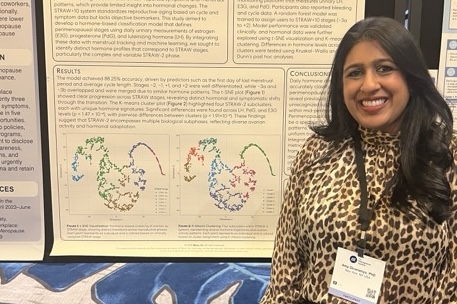
Amy Divaraniya
Amy Divaraniya

After 22 years, the FDA has removed the black box warning from hormone replacement therapy, marking a watershed moment in women's health. Our CEO Amy Divaraniya, who witnessed this historic announcement at HHS, explores what the latest research reveals about the critical timing window for HRT, why starting treatment during perimenopause matters, and what this means for providers, patients, and the future of menopause care.
Clinically reviewed by
Dr Mary Parman
Modified On:
Published:
Nov 17, 2025
Est. Read Time:
0
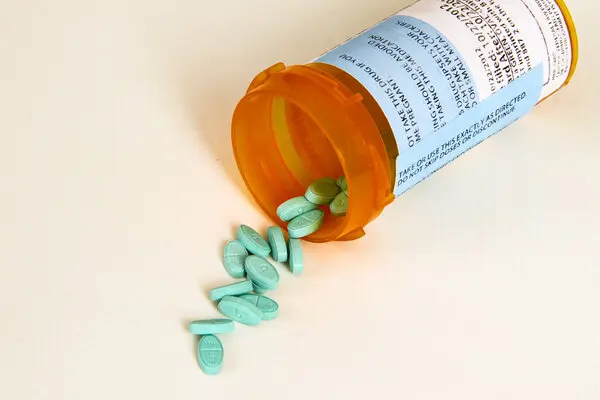
Visual of HRT medication
Published:
Nov 16, 2025
Est. Read Time:
0

After 22 years, the FDA has removed the black box warning from hormone replacement therapy, marking a watershed moment in women's health. Our CEO Amy Divaraniya, who witnessed this historic announcement at HHS, explores what the latest research reveals about the critical timing window for HRT, why starting treatment during perimenopause matters, and what this means for providers, patients, and the future of menopause care.

Perimenopause
Share to:

After 22 years, the FDA has removed the black box warning from hormone replacement therapy, marking a watershed moment in women's health. Our CEO Amy Divaraniya, who witnessed this historic announcement at HHS, explores what the latest research reveals about the critical timing window for HRT, why starting treatment during perimenopause matters, and what this means for providers, patients, and the future of menopause care.

The Paradigm Shift Hidden in Plain Sight

When the FDA removed the black box warning from hormone therapy this week, I thought about my mother first.

For ten years, she navigated crushing fatigue, anxiety that came from nowhere, and joint pain that made her quit tennis, the sport she'd played since college. Her doctor's response? "Welcome to menopause. This is normal." The black box warning meant that even discussing hormone therapy felt like suggesting something dangerous.

She wasn't alone. I've now heard hundreds of similar stories from women who believed suffering was safer than treatment. This week's FDA decision doesn't just vindicate those women, it reveals that we've been thinking about menopause entirely wrong.

This isn't about correcting old errors. It's about embracing new science that fundamentally reframes how we think about women's aging.

The research that drove this decision doesn't just say hormone therapy is safer than we thought. It says that the hormonal transition of midlife represents one of the most critical intervention windows in women's entire health trajectory and we've been squandering it.

The Science That Changes Everything: Timing as Destiny

The Critical Window You Can't Get Back

The most compelling research comes from a 2024 comprehensive analysis published in JAMA, examining over 400,000 women across 65 studies. The findings are unequivocal: women who initiate hormone therapy during perimenopause or within 10 years of menopause experience:

  • 40% reduction in cardiovascular disease but only when started early
  • 35% reduction in all-cause mortality completely absent in late starters
  • Preserved hippocampal volume the brain's memory center
  • 50% reduction in fracture risk with benefits persisting years after discontinuation
  • 30% lower risk of Type 2 diabetes when initiated before age 60

Limitations: These findings come from observational database studies, not randomized controlled trials, and have several important limitations:

  • The studies cannot prove causation, only associations were observed.
  • Women who start HRT early may differ in health status and health behaviors from late starters, which may confound results.
  • Data on the type, route, and dose of hormones and how these differences might affect outcomes, were limited or missing.

But here's the critical finding: start hormone therapy after age 60 or more than 10 years post-menopause, and these benefits disappear. Some risks actually increase.

This isn't just about being "too late" it's about understanding that menopause represents a biological fork in the road. Take one path early, and you maintain physiological resilience. Wait, and that path closes forever.

The Perimenopause Revolution

Even more revolutionary is emerging research on perimenopause intervention. A 2024 study in the Journal of Clinical Endocrinology found that women who started HRT during perimenopause before their final period showed:

  • Superior cardiovascular outcomes compared to those who waited
  • Better maintenance of muscle mass and metabolic health
  • Significantly reduced progression of carotid intima-media thickness
  • Preserved cognitive processing speed

We've been waiting for women to "complete" menopause before treating them. The science now says that's exactly backward.

What This Means for Providers: From Reactive to Predictive Medicine

The Mindset Revolution Required

I recently asked Dr. Mary Parman, our medical advisor and practicing OB-GYN, what this change means for her practice. Her response was immediate: "I can finally practice medicine based on evidence, not fear."

For two decades, providers like Dr. Parman have been trained to view menopause through a risk-mitigation lens: minimize hormone exposure, treat only severe symptoms, discontinue as soon as possible.

Old approach:

  • Focus: Minimize hormone exposure
  • When to treat: Address severe or disruptive symptoms
  • How long: Use the lowest effective dose, for the shortest time necessary

Now, a new wave of research invites us to expand that mindset:

  • Focus: Start the conversation about hormonal changes earlier ideally in the 40s
  • When to treat: Consider prevention and symptom management before symptoms become overwhelming
  • How long/what dose: Use personalized regimens with regular, shared decision-making focusing on both symptom relief and long-term health goals

The Practical Implications

This shift requires providers to:

  1. Screening and education begin earlier
  2. Greater focus on tracking symptoms and hormone patterns over time
  3. More options to individualize care including newer, safer hormone formulations and delivery systems
  4. Longer-term outlook: thinking about healthy aging, not just short-term symptom control

The provider who masters this approach won't just be treating menopause they'll be architecting healthier aging.

What This Means for Patients: Agency in Your Aging Trajectory

The Conversation Changes Today

If you're a woman between 35-60, the removal of the black box warning means you need to fundamentally reconsider your health strategy.

I learned this lesson personally when I started experiencing brain fog and irregular cycles at 43. My first doctor told me I was "too young" for perimenopause. My second ran a single blood test and declared my hormones "normal." It wasn't until I found a provider who understood the latest research that I learned my symptoms were classic perimenopause and that early intervention could change my health trajectory for decades.

Questions to ask your provider immediately:

  • I’m noticing changes could these be related to perimenopause, even if my periods haven’t stopped?
  • Based on my symptoms and health history, what are my options for managing symptoms or reducing long-term risks?
  • Would hormone therapy or other approaches be safe and appropriate for me?
  • If I don’t start treatment now, when should I come back to re-evaluate or discuss changes?
  • If I want a more in-depth discussion, how can I find a menopause-certified provider? (Tip: Use the provider locator at the Menopause Society website.)

The Three Stages of Opportunity

Stage 1: Perimenopause (typically late 30s or 40s)

  • Some studies suggest potential benefits of starting HRT during this period, but individual risk and preferences matter.
  • Focus is shifting to prevention and proactive discussion, not just waiting for severe symptoms.

Stage 2: Early Menopause (within 10 years or before 60)

  • Research points to possible cardiovascular, bone, and cognitive benefits when HRT is started during this window though not all women will experience the same effects.
  • Symptom relief remains a primary goal, but longer-term health may also be supported.

Stage 3: Late Menopause (10+ years or after 60)

  • For many women continuing HRT at low dosages is thought to be safe but newly starting HRT at this time is not recommended. 
  • Local (vaginal) estrogen treatments for vaginal and urinary symptoms remain safe for most women.

Key takeaway: These are population-level trends, not rigid rules. Personalized care and open dialogue with y

Beyond Hormones: The Ecosystem Approach

Emerging research shows that hormone therapy is just one part of a broader plan for optimizing midlife health. An integrated approach, combining HRT with other proven strategies, may offer the greatest benefits for many women.

  • Resistance training: Maintains muscle mass and bone health, which naturally decline after menopause.
  • Higher protein intake: Many experts now recommend 1.2–1.6g/kg body weight per day to support muscle maintenance and satiety.
  • Vitamin D: Important for bone health and possibly helpful alongside HRT.  Ensuring adequate vitamin D supports bone and metabolic health in this life stage.
  • Sleep: Sleep quality often changes in midlife and can affect overall well-being addressing sleep is a vital part of the plan.
  • HRT is most effective when paired with supportive lifestyle changes; no single intervention replaces a holistic approach. Work with your provider to develop a plan that considers hormones, fitness, nutrition, sleep, and the full picture of your health.

What This Means for Industry: The $600 Billion Opportunity

The Market Correction Coming Fast

When we started our company, investors would often ask, "But isn't hormone therapy dangerous?" The black box warning didn't just suppress treatment it suppressed an entire industry. With its removal, we're about to see one of the fastest market corrections in healthcare history.

I've watched this space evolve from the margins to the mainstream, and the acceleration is just beginning.

That said, enthusiasm should be tempered with scientific caution.As data evolves and long-term outcomes become clearer, market dynamics may shift. The pathway forward is exciting, but it must be grounded in rigorous science, not hype.

Immediate Shifts (Next 6-12 Months):

  1. Telehealth Explosion
    • Expect 10x growth in menopause-focused platforms
    • Major players (Amazon, CVS, Walmart) entering the space
    • AI-driven treatment optimization becoming standard
  2. Insurance Transformation
    • Prior authorization requirements disappearing
    • Preventive care coverage for perimenopausal women
    • Value-based contracts tied to long-term outcomes
  3. Employer Benefits Revolution
    • Menopause support becoming standard in benefits packages
    • On-site hormone consultations at major corporations
    • Productivity metrics driving investment

Strategic Plays (Next 2-3 Years):

  1. Precision Medicine Platforms
    • Genetic testing to predict hormone metabolism
    • Wearable integration for real-time optimization
    • Biomarker panels for treatment selection
  2. Pharmaceutical Renaissance
    • Novel delivery systems (patches, pellets, rings)
    • Combination therapies targeting multiple pathways
    • Tissue-selective modulators
  3. Care Model Innovation
    • Menopause clinics in every major health system
    • Midlife health optimization as new specialty
    • Integration with longevity medicine

The Compounding Pharmacy Reckoning

The $2 billion compounded hormone industry thrived on black box fear. Now, FDA-approved options without warnings will reclaim market share. But smart compounders will pivot to:

  • Truly personalized formulations for complex cases
  • Novel combinations not commercially available
  • Rapid iteration for optimization protocols

The Societal Implications Nobody's Discussing

Workforce Transformation

When 20% of the workforce can optimize their hormonal health rather than white-knuckling through symptoms, the productivity implications are staggering:

  • Reduced presenteeism (working while impaired)
  • Decreased early retirement due to symptoms
  • Retention of senior female talent
  • Reduced healthcare costs from preventable diseases

The Longevity Dividend

If the cardiovascular and metabolic benefits hold at scale, we're looking at:

  • 2-5 year increase in female healthspan
  • Hundreds of billions in reduced Medicare costs
  • Fundamental shift in how we age as a society

The Knowledge Transfer Imperative

We have two generations of providers who need rapid re-education:

  • Medical schools revising curricula
  • Residencies adding menopause rotations
  • CME requirements for primary care
  • Patient education at population scale

The Hard Truths We Must Confront

This Isn't Universal

Recent meta-analyses show favorable associations when HRT is initiated in perimenopause or early menopause. However, these conclusions come with important caveats:

What the Evidence Actually Shows:

  • These studies are retrospective analyses using administrative databases (insurance claims, medical records), not randomized controlled trials. Database studies cannot prove causation, only association.
  • Database diagnosis codes may be inaccurate or incomplete; not all health conditions are captured.
  • Women who choose early HRT are often healthier and more health-conscious than those who don't, selection bias is a significant concern.
  • Younger women starting HRT may not yet have developed late-onset diseases (breast cancer, heart disease); longer follow-up is needed.
  • Results may not generalize to all racial, ethnic, and socioeconomic populations, the data sets often lack diversity.
  • We don't yet have subgroup analyses by estrogen type, route (oral vs. transdermal), dose, or duration; these may substantially change risks and benefits.
  • Long-term outcomes beyond 10 years remain unknown; the benefit window described is based on relatively short follow-up.
  • Individual risk profiles vary dramatically, a woman's personal and family history shapes whether HRT is appropriate for her.

What This Means in Practice

The FDA's removal of the black box warning is significant. It opens the door to informed, individualized conversations about HRT, shifting away from fear-based messaging. However, the evidence does not support universal HRT prescription. Instead, it calls for shared decision-making: a thorough discussion between each woman and her healthcare provider about her personal risks, symptoms, values, and goals. A woman's candidacy for HRT should be based on her unique clinical picture, not a blanket recommendation or blanket fear.

The Access Challenge

Removing a warning doesn't solve:

  • Provider shortages in rural areas
  • Cost barriers for uninsured women
  • Cultural stigma in many communities
  • Health literacy gaps

The Research Gaps

We still need answers on:

  • Optimal duration of therapy
  • Biomarkers for treatment selection
  • Long-term outcomes beyond 10 years
  • Personalization algorithms

The Call to Action: What Happens Now

For Healthcare Leaders

This is your opportunity to lead rather than follow. The health systems that build comprehensive midlife programs today will own the market tomorrow. Don't wait for competitors to move first.

For Investors

The femtech focus on fertility is saturated. The real opportunity is in the 40-65 demographic with insurance coverage, disposable income, and decades of health to optimize.

For Policymakers

Update clinical guidelines immediately. Ensure coverage parity. Fund research into precision approaches. The societal ROI on getting this right is massive.

For Women

Don't wait for the system to catch up. Educate yourself on the new research. Find providers who understand the critical window. Make decisions based on current science, not historical fear.

The Future We're Building

The black box removal isn't an ending, it's an inflection point. We stand at the threshold of reimagining the entire second half of women's lives.

This is personal for me. My mother finally got proper treatment at 67 outside the critical window but still life-changing for her quality of life. 

Between them in my own generation and yours are millions of women who finally have the chance to navigate midlife with science on their side.

This is about more than hot flashes and night sweats. It's about recognizing that the hormonal transition of midlife is as significant as puberty or pregnancy and deserves the same medical attention, societal support, and scientific investment.

The women who benefit from this moment won't just be the ones suffering today. They'll be our daughters, who will inherit a healthcare system that sees menopause not as decline to be endured but as a transition to be optimized.

The black box is gone. Now the real work begins.

The revolution in women's midlife health is just beginning. The question isn't whether to pay attention, it's whether you'll help lead it or struggle to catch up.

Amy is the CEO of Oova Dr. Mary Parman serves as Medical Advisor and is a practicing OB-GYN specializing in menopause care.

About the author

Amy Divaraniya
Dr. Aparna (Amy) Divaraniya is the Founder and CEO of Oova. She has over 10 years experience working in data science and a PhD in Biomedical Sciences. In 2017, Amy pivoted to women's healthcare after facing her own fertility struggles. Amy started Oova to give women control over their fertility by making high-quality hormone testing more accessible.

Sources

  • Makary, Marty, et al. "HHS Advances Women's Health, Removes Misleading FDA Warnings on Hormone Replacement Therapy." U.S. Department of Health and Human Services, 10 Nov. 2025, www.hhs.gov/press-room/hhs-advances-womens-health-removes-misleading-fda-warnings-hormone-replacement-therapy.html.Food and Drug Administration.
  • "FACT SHEET: FDA Initiates Removal of 'Black Box' Warnings from Menopausal Hormone Replacement Therapy Products." HHS.gov, 10 Nov. 2025, www.hhs.gov/press-room/fact-sheet-fda-initiates-removal-of-black-box-warnings-from-menopausal-hormone-replacement-therapy-products.html
  • Makary, Marty A., et al. "Updated Labeling for Menopausal Hormone Therapy." JAMA, published online 10 Nov. 2025, doi:10.1001/jama.2025.22259.
  • Gu, Yiman, et al. "The Benefits and Risks of Menopause Hormone Therapy for the Cardiovascular System in Postmenopausal Women: A Systematic Review and Meta-Analysis." BMC Women's Health, vol. 24, no. 60, 23 Jan. 2024, doi:10.1186/s12905-023-02788-0.
  • Kim, Jung-eun, et al. "A Systematic Review and Meta-Analysis of Effects of Menopausal Hormone Therapy on Cardiovascular Diseases." Scientific Reports, vol. 10, 26 Nov. 2020, doi:10.1038/s41598-020-77534-9.
  • Manson, JoAnn E., et al. "The Women's Health Initiative Randomized Trials and Clinical Practice: A Review." JAMA, vol. 331, no. 20, 28 May 2024, pp. 1748-1760, doi:10.1001/jama.2024.6542.
  • Davis, Susan R., et al. "Is It Time to Revisit the Recommendations for Initiation of Menopausal Hormone Therapy?" The Lancet Diabetes & Endocrinology, vol. 12, no. 11, 14 Oct. 2024, doi:10.1016/S2213-8587(24)00270-5.
  • American College of Obstetricians and Gynecologists. "ACOG President Says Label Change on Estrogen Will Increase Access to Hormone Therapy." ACOG, 10 Nov. 2025, www.acog.org/news/news-releases/2025/11/acog-president-says-label-change-on-estrogen-will-increase-access-to-hormone-therapy.
  • Rossouw, Jacques E., et al. "Risks and Benefits of Estrogen Plus Progestin in Healthy Postmenopausal Women: Principal Results from the Women's Health Initiative Randomized Controlled Trial." JAMA, vol. 288, no. 3, 2002, pp. 321-333, doi:10.1001/jama.288.3.321.
www.oova.life/blog/how-long-does-ovulation-last
Can you ovulate for more than 24 hours?
‍No. Once the egg is released, it remains viable for a maximum of 24 hours. If it isn't fertilized in that time, it disintegrates. However, your fertile window extends well beyond that single day because sperm can survive up to 5 days waiting for the egg.
www.oova.life/blog/how-long-does-ovulation-last
Can you feel ovulation happening?
‍Some women feel mild cramping or a twinge on one side of the lower abdomen around ovulation, sometimes called mittelschmerz. Other signs include changes in cervical mucus and a slight increase in sex drive. But many women don't feel anything at all, which is why hormone tracking is more reliable than symptoms alone.
www.oova.life/blog/how-long-does-ovulation-last
How long after ovulation can you get pregnant?
‍You can get pregnant from sex that happened up to 5 days before ovulation, since sperm survive that long in the reproductive tract. After ovulation, the egg is only viable for 12–24 hours. So realistically, your window closes about a day after you ovulate.
www.oova.life/blog/how-long-does-ovulation-last
How do I know when ovulation is over?
‍The most reliable sign that ovulation has passed is a sustained rise in progesterone, which typically begins 1–2 days after the egg is released. A rise in basal body temperature can also indicate ovulation has occurred, though this only confirms it after the fact. Tracking hormones like LH and progesterone daily gives you the clearest picture.
www.oova.life/blog/perimenopause-spotting
How do I know if it's perimenopause spotting or something else?
The key indicators of normal perimenopause spotting are: it's light (panty liner only), occurs occasionally between periods, is light pink, red, or brown in color, and you're in the typical age range for perimenopause (late 30s to early 50s). It's likely something else if the bleeding is heavy, occurs after sex every time, comes with severe pain, has a foul odor, or you've gone 12+ months without a period (meaning you're postmenopausal). When in doubt, track your symptoms and discuss them with your doctor.
www.oova.life/blog/perimenopause-spotting
Can perimenopause spotting be pink?
Yes, pink spotting during perimenopause is completely normal. Pink spotting occurs when a small amount of blood mixes with cervical fluid or discharge. This is especially common during ovulation spotting or when hormone levels cause light, irregular shedding of the uterine lining. Pink discharge or spotting is generally nothing to worry about as long as it's light, occasional, and not accompanied by pain, itching, or an unusual odor.
www.oova.life/blog/perimenopause-spotting
Can HRT cause spotting during perimenopause?
Yes, spotting is common when you first start HRT or when your dose changes. Your body needs time to adjust to the new hormone levels, and some irregular bleeding during the first 3 to 6 months is typical. If spotting continues beyond that, or gets heavier, your dose may need adjusting, which is where tracking your hormone levels can help you and your doctor determine whether your current regimen is working or needs to be fine-tuned.
www.oova.life/blog/perimenopause-spotting
Does perimenopause spotting mean menopause is close?
Not necessarily. Perimenopause can last anywhere from 4 to 10 years before you reach menopause (defined as 12 months without a period). Spotting can occur at any point during perimenopause, early, middle, or late stages. While spotting is common throughout the entire perimenopause transition, the frequency and pattern of your cycles matter more for predicting menopause timing. If your periods are becoming less frequent and you're going 60+ days between cycles, you may be in late perimenopause.
www.oova.life/blog/perimenopause-spotting
When should I worry about perimenopause spotting?
You should see your doctor about perimenopause spotting if you experience: heavy bleeding that soaks through multiple pads or tampons per day, spotting or bleeding that lasts 3+ weeks continuously, periods or spotting occurring every 2 weeks or more frequently, regular bleeding after sex, or consistent spotting between periods nearly every cycle. These patterns could indicate conditions like fibroids, polyps, endometrial hyperplasia, or other issues that need medical evaluation.
www.oova.life/blog/perimenopause-spotting
Can I still get pregnant if I'm having perimenopause spotting?
Yes, you can still get pregnant during perimenopause, even if you're experiencing spotting and irregular cycles. As long as you're still having periods (even irregular ones) and ovulating occasionally, pregnancy is possible. If you're sexually active and not planning to conceive, continue using birth control until you've gone 12 full months without a period (which confirms you've reached menopause). If you're concerned your spotting could be implantation bleeding, take a pregnancy test.
www.oova.life/blog/perimenopause-spotting
Is spotting normal at the beginning of perimenopause?
Yes, spotting is often one of the earliest signs of perimenopause and can begin in your late 30s or early 40s. In fact, irregular cycles and spotting between periods are among the first noticeable changes many women experience as their hormones begin to shift. If you're in your late 30s or 40s and suddenly noticing mid-cycle spotting when you never had it before, it could be an early indicator that you're entering perimenopause.
www.oova.life/blog/perimenopause-spotting
What's the difference between perimenopause spotting and a period?
Perimenopause spotting is light bleeding that requires only a panty liner, appears as faint stains on underwear, or is only noticeable when wiping. A period, even a light one, typically requires pads or tampons, lasts 3-7 days, and involves more consistent flow. If you're unsure whether you're experiencing spotting or a light period, consider the amount: spotting is usually less than a tablespoon of blood total, while even a light period involves several tablespoons over multiple days.
www.oova.life/blog/perimenopause-spotting
Can stress cause spotting in perimenopause?
While stress doesn't directly cause perimenopause spotting, it can worsen hormone fluctuations that lead to spotting. Chronic stress affects your cortisol levels, which can interfere with estrogen and progesterone balance, the same hormones responsible for regulating your cycle. If you notice more frequent spotting during particularly stressful times, managing stress through exercise, sleep, meditation, or therapy may help stabilize your cycles and reduce spotting episodes.
www.oova.life/blog/perimenopause-spotting
Is spotting every day during perimenopause normal?
No, daily spotting isn't typical during perimenopause. While occasional spotting between periods is common, experiencing spotting consistently every day could indicate a hormonal imbalance or another health condition that needs medical attention. If you've been spotting daily for more than a week, or if the spotting is getting heavier, schedule an appointment with your doctor to rule out conditions like polyps, fibroids, or thyroid issues.
www.oova.life/blog/perimenopause-spotting
What color is perimenopause spotting?
Perimenopause spotting is usually light pink or light red in color. You may also see brown spotting, which is simply older blood that's taking longer to exit your body. Brown spotting during perimenopause is also generally normal. However, if you notice gray discharge, bright red heavy bleeding, or spotting with an unusual odor, contact your doctor as these could be signs of infection or other conditions.
www.oova.life/blog/perimenopause-spotting
Can you have brown spotting during perimenopause?
Yes, brown spotting is very common during perimenopause and is usually normal. The brown color means the blood is older and has oxidized before leaving your body. This often happens when hormone fluctuations cause your uterine lining to shed slowly or irregularly. As long as the brown spotting is light, occasional, and not accompanied by pain, foul odor, or other concerning symptoms, it's typically just another variation of normal perimenopause spotting.
www.oova.life/blog/perimenopause-spotting
How long does perimenopause spotting last?
Normal perimenopause spotting typically lasts 1-3 days and occurs occasionally between periods. The spotting should be light enough to manage with a panty liner. However, if you experience spotting that lasts for 3 weeks or longer, or if it happens every single cycle, this warrants a conversation with your healthcare provider to ensure there isn't an underlying condition that needs treatment.
www.oova.life/blog/ovulation
How long should I try to conceive before seeing a doctor?
If you're under 35, healthcare providers typically recommend seeking medical evaluation after 12 months of regular unprotected intercourse without conception. However, if you're 35 or older, it's advisable to consult a fertility specialist after just six months of trying, since fertility declines more rapidly in the mid to late 30s. If you have irregular cycles, a history of miscarriages, known reproductive health conditions like PCOS or endometriosis, or other concerning symptoms, you may want to see a specialist sooner.
www.oova.life/blog/ovulation
Can you get pregnant when you're not ovulating?
No, you cannot get pregnant without ovulation because there's no egg available for fertilization. However, you can get pregnant from sex that happens before ovulation since sperm can survive up to 5 days waiting for the egg to be released.
www.oova.life/blog/ovulation
What affects my chances of getting pregnant each cycle?
For couples with no fertility issues, the overall rate of conception in any given month is about 25%. Nearly 80% of couples become pregnant within the first six months of trying. The highest pregnancy rates occur when couples have intercourse during the one to two days immediately before ovulation, within the six-day fertile window that ends on ovulation day. Beyond timing, factors like age, overall health, lifestyle choices, and underlying reproductive conditions can all influence your monthly conception chances.
www.oova.life/blog/ovulation
What happens if you don't ovulate?
Not ovulating (called an anovulatory cycle) means you cannot get pregnant that month. Occasional anovulatory cycles are normal, but frequent lack of ovulation may indicate conditions like PCOS, thyroid issues, or perimenopause, and should be discussed with a healthcare provider.
www.oova.life/blog/ovulation
Can you ovulate without a period?
Yes. Ovulation and menstruation are related but not dependent on each other. You can ovulate without getting a period afterward,this is common during breastfeeding, in the months after stopping hormonal birth control, and during perimenopause. It's also possible to have a period without ovulating (called an anovulatory cycle), where your body sheds the uterine lining even though no egg was released. If you're trying to conceive, this is why tracking hormones like LH and progesterone is more reliable than relying on your period alone to confirm that ovulation happened.elf lasts only 12-24 hours the time the egg remains viable after being released. However, your fertile window is about 6 days long (5 days before ovulation plus ovulation day) because sperm can survive in the reproductive tract for up to 5 days.
www.oova.life/blog/ovulation
When does ovulation occur in your cycle?
Ovulation typically occurs around the middle of your menstrual cycle. In a 28-day cycle, this is usually day 14. However, cycle length variesovulation can happen anywhere from day 11 to day 21 depending on your unique cycle length and hormone patterns.
www.oova.life/blog/ovulation
How do you know if you're ovulating?
Signs of ovulation include clear, stretchy "egg-white" cervical mucus, mild pelvic cramping, breast tenderness, increased sex drive, and a slight rise in basal body temperature. The most accurate way to confirm ovulation is tracking hormone levels, specifically the LH surge followed by rising progesterone.
www.oova.life/blog/ovulation
Can I ovulate more than once in a cycle?
While you can't ovulate on separate days within the same cycle, your body can release multiple eggs at the same time during a single ovulation event, a phenomenon called hyperovulation. When this occurs, both eggs are released within a 24-hour window on ovulation day. Hyperovulation can result in fraternal twins if both eggs are fertilized by different sperm. Factors like age over 35, genetics, and recent discontinuation of hormonal birth control can increase the likelihood of hyperovulation.
www.oova.life/blog/ovulation
What is ovulation in simple terms?
Ovulation is when your ovary releases a mature egg each month. The egg travels down the fallopian tube and can be fertilized by sperm for 12-24 hours. If fertilized, it becomes a pregnancy. If not, it disintegrates and you get your period about 2 weeks later.
www.oova.life/blog/spotting-before-period
When should I be worried about spotting before my period?
Most spotting is harmless, but contact your doctor if you experience heavy spotting similar to full bleeding, spotting every cycle or almost every cycle, spotting accompanied by pelvic pain, fatigue, or dizziness, or spotting alongside other signs of a hormonal imbalance. Spotting can occasionally signal an underlying condition like PCOS, thyroid disorders, fibroids, or infections, so persistent or unusual spotting is worth investigating.
www.oova.life/blog/spotting-before-period
Is spotting before your period a sign of pregnancy?
It can be. Light spotting 10 to 14 days after ovulation is sometimes implantation bleeding, which happens when a fertilized egg attaches to the uterine lining. About 15% to 25% of people experience it. Implantation bleeding is usually pink or brown, lighter than a period, and only lasts a day or two. If your period doesn't arrive a few days later, consider taking a pregnancy test.
www.oova.life/blog/spotting-before-period
How can I tell the difference between spotting and a period?
Spotting is light enough that a panty liner is usually all you need, it tends to be pink or brown rather than red, doesn't fill a pad or tampon, and often only lasts a day or two. A period is heavier, redder, lasts several days, and typically comes with cramping. If you're seeing bright red bleeding that soaks through a liner, that's more likely a period starting early than spotting.
www.oova.life/blog/spotting-before-period
Is spotting before your period normal in perimenopause?
Yes, spotting is one of the most common early signs of perimenopause. As estrogen and progesterone start fluctuating unpredictably, your uterine lining can shed irregularly, causing spotting between periods. You may also experience spotting after sex due to vaginal atrophy, another hormone-driven perimenopause symptom. If spotting is heavy, frequent, or accompanied by other concerning symptoms, talk to your doctor.
www.oova.life/blog/why-is-my-period-late-but-my-pregnancy-test-is-negative
Can stress really delay your period?
‍Absolutely. Stress affects the hypothalamus, which regulates hormones controlling your menstrual cycle. Significant stress can delay ovulation and therefore your period.
www.oova.life/blog/why-is-my-period-late-but-my-pregnancy-test-is-negative
How long can your period be late without being pregnant?
‍Periods can be late for various reasons unrelated to pregnancy. If you're not pregnant, a period can be delayed by several days to weeks due to stress, illness, or hormonal changes. However, if your period is more than a week late and tests remain negative, consult your doctor.
www.oova.life/blog/why-is-my-period-late-but-my-pregnancy-test-is-negative
What should I do if my period is 2 weeks late but the test is negative?
‍Take another test. If it's still negative and your period doesn't arrive, schedule an appointment with your healthcare provider to investigate potential causes.
www.oova.life/blog/why-is-my-period-late-but-my-pregnancy-test-is-negative
Can you be pregnant with a negative test?
‍Yes, especially if you test too early. Wait until at least a few days after your missed period and retest. HCG levels need time to rise to detectable levels.
https://www.oova.life/blog/perimenopause-anxiety-or-disorder
What's the difference between perimenopause anxiety and PMDD?
PMDD (premenstrual dysphoric disorder) involves severe mood symptoms in the 1–2 weeks before your period, resolving when your period starts. Perimenopausal anxiety can be more continuous and less predictably tied to the luteal phase, particularly as cycles become irregular. Some women who previously had PMDD find that symptoms intensify and shift during perimenopause as hormone fluctuations become less predictable.
https://www.oova.life/blog/perimenopause-anxiety-or-disorder
My doctor says my hormones are normal. Can I still be in perimenopause?
Yes. Hormone levels fluctuate dramatically during perimenopause and a single blood test often misses the pattern. It's entirely possible to have a normal FSH result while experiencing significant perimenopausal symptoms. Symptom tracking alongside hormone testing gives a more complete picture.
https://www.oova.life/blog/perimenopause-anxiety-or-disorder
Will HRT help my anxiety?
For women whose anxiety is driven by hormonal fluctuation, hormone therapy can be significantly effective, particularly for estrogen-related mood instability. The evidence is strongest for women in early perimenopause. It's less likely to resolve a primary anxiety disorder on its own, which is why accurate diagnosis matters. Read more about how to know if your HRT dose is working.
https://www.oova.life/blog/perimenopause-anxiety-or-disorder
How do I know if my anxiety is hormonal?
The clearest signals are: new onset in your 40s with no prior history, cyclical timing (worse around your period or after night sweats), and co-occurrence with other perimenopause symptoms like brain fog, irregular periods, or sleep disruption. Tracking symptoms over 6–8 weeks against your cycle will give you, and your doctor, meaningful data.
https://www.oova.life/blog/perimenopause-anxiety-or-disorder
Can perimenopause cause panic attacks?
Yes. The same GABA and serotonin disruptions that produce generalized anxiety can also trigger panic attacks, sudden, intense episodes of physical fear with a racing heart, shortness of breath, or a sense of dread. If you're experiencing panic attacks for the first time in your 40s, perimenopause is a clinically plausible explanation that warrants investigation.
https://www.oova.life/blog/hormone-mood-tracking
What if I notice a pattern but my doctor dismisses it?
Ask for a referral to a certified menopause practitioner (NAMS-certified) or a reproductive psychiatrist. Bring your data in chart form. You can also frame it as: "I'm not asking for a diagnosis, I'm asking you to help me interpret this pattern." Quantitative data changes the conversation.
https://www.oova.life/blog/hormone-mood-tracking
I've already been diagnosed with an anxiety disorder. Should I still track?
Absolutely, and arguably more so. Hormone mood tracking can help distinguish which of your anxiety symptoms have a hormonal driver and which don't, and on which days hormonal support might reduce the burden on your existing anxiety management tools. The relationship between perimenopause and anxiety disorders is complex, and the two frequently coexist. Understanding your hormonal contribution helps your treatment team work with the full picture.
https://www.oova.life/blog/hormone-mood-tracking
My cycles are irregular. Can I still track?
Yes, and irregular cycles are themselves a data point. Track by date rather than cycle day, and note when your period arrives retroactively. Over time, even irregular data shows hormonal patterns. Erratic estrogen fluctuations are particularly visible in daily urine-based hormone testing.
https://www.oova.life/blog/hormone-mood-tracking
Can I track mood without tracking hormones and still find patterns?
Yes, but with limitations. Cycle-day mood tracking, recording your mood against where you are in your cycle, can reveal PMS patterns without hormone data. The limitation is that in perimenopause, cycle length becomes unpredictable, and the hormone fluctuations that drive mood shifts don't always align neatly with cycle day. Quantitative hormone data closes that gap.
https://www.oova.life/blog/hormone-mood-tracking
How many weeks of data do I need before tracking is useful?
Four weeks gives you a starting point, but 8 weeks produces a more reliable pattern, especially in perimenopause, where cycles are irregular and a single cycle may not be representative. The more data you have, the more confident you can be in what you're seeing.
https://www.oova.life/blog/irregular-menstrual-cycle-hormonal-variability
How is Oova different from a standard ovulation predictor kit?
tandard OPKs detect the presence of an LH surge but cannot confirm whether ovulation was completed or whether progesterone rose adequately afterward. Oova measures LH, estrogen (E3G), and progesterone (PdG) quantitatively across your cycle, providing biochemical confirmation of ovulation and luteal phase adequacy over time.
https://www.oova.life/blog/irregular-menstrual-cycle-hormonal-variability
How do I know if my irregular cycles are related to perimenopause?
Perimenopause can begin years before your last period, often in the late 30s or 40s, and standard hormone tests frequently appear normal during this transition. Cycle-to-cycle changes in ovulation patterns and luteal progesterone are often among the earliest signs. If your cycles have changed and your labs are "normal," longitudinal monitoring may reveal what a single test cannot.
https://www.oova.life/blog/irregular-menstrual-cycle-hormonal-variability
What is a luteal phase defect?
A luteal phase defect refers to insufficient progesterone production in the second half of your cycle, after ovulation. It can cause symptoms like premenstrual spotting, a shortened cycle, low mood, and poor sleep, and is frequently missed by single-timepoint blood testing.
https://www.oova.life/blog/irregular-menstrual-cycle-hormonal-variability
Can you have a period without ovulating?
Yes. Anovulatory cycles, cycles in which ovulation does not fully occur, can still produce a bleed that looks like a normal period. In our research, nearly 1 in 5 cycles with an LH surge showed no biochemical confirmation of ovulation. This is especially common in women with PCOS.
https://www.oova.life/blog/irregular-menstrual-cycle-hormonal-variability
Why does my cycle feel different every month?
Cycle-to-cycle hormonal variability is common and often goes undetected. Research shows that nearly two-thirds of women show inconsistency in ovulation or luteal progesterone from one cycle to the next, meaning what happens in one cycle is not necessarily predictive of the next.
https://www.oova.life/blog/how-to-fix-hormonal-imbalance
Can stress alone cause a hormonal imbalance?
Yes and this is underappreciated. Chronic psychological stress directly suppresses progesterone production, delays or prevents ovulation, and disrupts the entire downstream hormone cascade. Many women with "unexplained" hormonal symptoms have cortisol dysregulation as the root cause, with sex hormone imbalances as the consequence. Addressing stress isn't a soft add-on to the real treatment. In many cases, it is the treatment.
https://www.oova.life/blog/how-to-fix-hormonal-imbalance
Can you fix a hormonal imbalance without medication?
For many women, yes particularly when the imbalance is driven by lifestyle factors like chronic stress, poor sleep, undereating, or insulin resistance. However, hormonal imbalances caused by perimenopause, PCOS, or thyroid conditions often benefit significantly from medical support alongside lifestyle changes. The answer depends on which hormone is off and why which is why testing first matters so much.
https://www.oova.life/blog/how-to-fix-hormonal-imbalance
What foods fix hormonal imbalance?
No single food fixes hormonal imbalance, but dietary patterns matter significantly. A Mediterranean-style diet rich in fiber, healthy fats, and adequate protein supports estrogen clearance, insulin sensitivity, and hormone production. Reducing refined carbohydrates, alcohol, and ultra-processed foods is equally important.
https://www.oova.life/blog/how-to-fix-hormonal-imbalance
Is hormonal imbalance permanent?
Not typically. While hormonal changes from aging like perimenopause are natural and progressive, most hormonal imbalances driven by lifestyle, stress, or correctable medical conditions can be meaningfully improved with the right interventions. The key is identifying the right interventions for your specific pattern, not a generic approach.
https://www.oova.life/blog/how-to-fix-hormonal-imbalance
How long does it take to fix a hormonal imbalance?
It depends on the cause and severity, but lifestyle interventions typically take 2–3 full menstrual cycles to produce measurable hormonal changes. Medical treatments like HRT or thyroid medication may work faster but still require 4–12 weeks of monitoring to optimize. The most important thing is having a tracking system in place so you can actually see what's changing otherwise you're guessing.
https://www.oova.life/blog/how-to-fix-hormonal-imbalance
How do I know if my hormones are actually out of balance?
Symptoms are a starting point, but they overlap significantly between different hormone patterns. The most reliable approach is testing specifically tracking hormone levels across multiple days of your cycle rather than relying on a single blood draw.
https://www.oova.life/blog/how-to-fix-hormonal-imbalance
What is the fastest way to fix a hormonal imbalance?
Addressing sleep is often the highest-leverage starting point because cortisol, progesterone, estrogen, and insulin are all directly affected by sleep quality. Simultaneously reducing refined sugar and ultra-processed food intake can improve insulin and androgen balance relatively quickly. That said, "fast" is relatively meaningful; hormonal shifts take weeks, not days, and there are no shortcuts that the evidence supports.
https://www.oova.life/blog/fertility-vitamins
How long does it take for fertility vitamins to work?
Because egg development takes about 90 days, you may see benefits after 3 months of consistent supplementation. However, some benefits (like improved energy from iron) may appear sooner.
https://www.oova.life/blog/fertility-vitamins
Are prenatal vitamins the same as fertility vitamins?
They're similar but not identical. Prenatal vitamins are designed for pregnancy needs, while fertility vitamins may contain different ratios or additional nutrients like CoQ10 or inositol specifically for supporting conception.
https://www.oova.life/blog/fertility-vitamins
Do men need fertility vitamins too?
Absolutely. Male fertility accounts for about 40-50% of infertility cases. Men benefit from vitamins C and E, zinc, selenium, folate, and CoQ10 to improve sperm quality, count, and motility.
https://www.oova.life/blog/fertility-vitamins
Yes, excessive amounts of certain vitamins and minerals can be harmful. Fat-soluble vitamins (A, D, E, K) and minerals like iron can accumulate to toxic levels. Always follow recommended dosages and consult your healthcare provider.
Can I take too many fertility vitamins?
https://www.oova.life/blog/fertility-vitamins
When should I start taking fertility vitamins?
Begin taking fertility vitamins at least 3 months before trying to conceive, ideally 6-12 months. This gives your body time to build adequate nutrient stores for conception and early pregnancy.
https://www.oova.life/blog/fertility-vitamins
Which vitamin is most important for fertility?
Folate (folic acid) is considered most critical because it prevents neural tube defects and supports healthy egg development. However, fertility depends on multiple nutrients working together, so a comprehensive approach is best.
https://www.oova.life/blog/signs-of-ovulation-while-breastfeeding
Should I take a pregnancy test if I think I'm ovulating while breastfeeding?
If you've had unprotected intercourse and notice signs of ovulation, taking a pregnancy test is reasonable, especially if your period doesn't arrive when expected. Home pregnancy tests are accurate from the first day of a missed period.
https://www.oova.life/blog/signs-of-ovulation-while-breastfeeding
Will ovulation affect my milk supply?
Some women notice temporary milk supply dips around ovulation or during their period due to hormonal fluctuations. This is usually brief and doesn't require weaning. Continued nursing typically restores supply.
https://www.oova.life/blog/signs-of-ovulation-while-breastfeeding
Does pumping breast milk suppress ovulation like nursing does?
Pumping is less effective at suppressing ovulation than direct breastfeeding. The physical stimulation of nursing more effectively triggers prolactin release. If you're pumping exclusively or frequently, ovulation may return sooner.
https://www.oova.life/blog/signs-of-ovulation-while-breastfeeding
How effective is breastfeeding as birth control?
When all LAM criteria are met (exclusive breastfeeding, no period, less than 6 months postpartum), it's about 98% effective comparable to hormonal birth control. However, effectiveness drops significantly when any criterion is not met.
https://www.oova.life/blog/signs-of-ovulation-while-breastfeeding
Can you get pregnant while breastfeeding before your first period?
Yes, you can ovulate and therefore get pregnant before your first postpartum period returns. Ovulation occurs before menstruation in the cycle sequence, so your first fertile window happens before you realize your period is coming back.
https://www.oova.life/blog/signs-ovulation-is-over
Do you always have symptoms when ovulation ends?
Not everyone experiences noticeable symptoms. Some people have very subtle signs while others have pronounced changes. This is why hormone tracking provides more objective confirmation than symptoms alone.
https://www.oova.life/blog/signs-ovulation-is-over
What's the difference between ovulation and the fertile window?
Ovulation is the specific moment when the egg is released and lasts 12-48 hours. The fertile window is approximately 6 days, the 5 days before ovulation plus ovulation day, because sperm can survive several days while waiting for the egg.
https://www.oova.life/blog/signs-ovulation-is-over
How accurate is basal body temperature for confirming ovulation?
BBT is fairly reliable when tracked consistently, but it confirms ovulation retrospectively (1-2 days after it occurs) rather than predicting it. It's most useful when combined with other tracking methods.
https://www.oova.life/blog/signs-ovulation-is-over
Can you ovulate twice in one cycle?
While rare, it's possible to release two eggs during one ovulation event (within 24 hours), which can result in fraternal twins. However, you don't ovulate twice at different times in a single cycle.
https://www.oova.life/blog/signs-ovulation-is-over
How many days after ovulation can you get pregnant?
The egg is only viable for 12-24 hours after ovulation. However, since sperm can survive up to 5 days, your fertile window includes the 5 days before ovulation and the day of ovulation itself.
https://www.oova.life/blog/why-is-my-period-late-but-my-pregnancy-test-is-negative
Can stress really delay your period?
Absolutely. Stress affects the hypothalamus, which regulates hormones controlling your menstrual cycle. Significant stress can delay ovulation and therefore your period.
https://www.oova.life/blog/why-is-my-period-late-but-my-pregnancy-test-is-negative
What should I do if my period is 2 weeks late but the test is negative?
Take another test. If it's still negative and your period doesn't arrive, schedule an appointment with your healthcare provider to investigate potential causes.
https://www.oova.life/blog/why-is-my-period-late-but-my-pregnancy-test-is-negative
Can you be pregnant with a negative test?
Yes, especially if you test too early. Wait until at least a few days after your missed period and retest. HCG levels need time to rise to detectable levels.
https://www.oova.life/blog/why-is-my-period-late-but-my-pregnancy-test-is-negative
How long can your period be late without being pregnant?
Periods can be late for various reasons unrelated to pregnancy. If you're not pregnant, a period can be delayed by several days to weeks due to stress, illness, or hormonal changes. However, if your period is more than a week late and tests remain negative, consult your doctor.
https://www.oova.life/blog/hormonal-imbalance-symptoms
Will hormonal imbalance symptoms go away on their own?
Some temporary imbalances resolve naturally, especially those related to life transitions, but persistent symptoms typically require intervention to improve.
https://www.oova.life/blog/hormonal-imbalance-symptoms
Are hormonal imbalances more common in women?
While women experience certain hormonal imbalances more frequently (like PCOS and thyroid disorders), men also experience hormonal issues, particularly with testosterone and thyroid hormones.
https://www.oova.life/blog/hormonal-imbalance-symptoms
Can stress alone cause hormonal imbalances?
Yes, chronic stress significantly impacts cortisol, which can then disrupt other hormones including thyroid hormones and sex hormones.
https://www.oova.life/blog/hormonal-imbalance-symptoms
How quickly can hormonal imbalance symptoms appear?
Some symptoms develop gradually over months, while others can appear within weeks depending on the hormone affected and severity of the imbalance.
perimenopause-periods
Should I still see my gynecologist if my periods are just "weird" but not painful?
Yes. Annual visits remain important during perimenopause. Your provider can help determine if your "weird" periods are typical perimenopause changes or something requiring attention. They can also discuss management options to improve your quality of life.
perimenopause-periods
How long do irregular periods last before menopause?
Irregular perimenopause periods typically last 4 to 8 years before your final period, though this varies greatly. Some women experience irregularity for just a few months, while others have irregular periods for over a decade before reaching menopause.
perimenopause-periods
Is it normal to have two periods in one month during perimenopause?
Yes, this can happen, especially in early perimenopause when cycles shorten. You might have a 21 day cycle, meaning you could have a period at the beginning and end of the same calendar month. Track these patterns to distinguish between short cycles and abnormal bleeding.
perimenopause-periods
Why are my periods suddenly so heavy in my 40s?
Heavy perimenopause periods often result from estrogen dominance. When progesterone drops but estrogen remains high, your uterine lining builds up more than usual, causing heavier bleeding when it sheds. This is common in perimenopause but should be evaluated if it affects your daily life.
perimenopause-periods
Can I still get pregnant if my periods are irregular during perimenopause?
Yes. As long as you're having periods, even irregular ones, you may still be ovulating. Pregnancy is possible until you've gone 12 full months without any period. If you don't want to become pregnant, continue using contraception throughout perimenopause.
perimenopause-and-weight-gain
Can you prevent perimenopause weight gain completely?
While you may not prevent all weight changes during perimenopause, you can minimize gain through proactive strategies. Starting strength training before perimenopause, maintaining consistent sleep habits, and managing stress can help your body adapt to hormonal changes more smoothly. Remember, some body changes during this transition are normal and healthy.
perimenopause-and-weight-gain
At what age does perimenopause weight gain typically start?
Perimenopause weight gain can begin in your late 30s or early 40s, often coinciding with the first hormonal changes. Many women notice gradual changes starting 5 to 10 years before their final period. The timing varies greatly based on genetics, lifestyle, and overall health.
perimenopause-and-weight-gain
Does everyone gain the same amount during perimenopause?
No. Perimenopause weight gain varies significantly. Some women gain 5 pounds, others 20 or more, and some maintain their weight. Factors include genetics, starting weight, activity level, stress, sleep quality, and how dramatically hormones fluctuate. Your experience is unique to your body.
Is perimenopause weight gain different from regular aging weight gain?
Yes. While metabolism naturally slows with age, perimenopause weight gain has distinct characteristics. The hormonal shifts cause fat redistribution to the midsection, even if overall weight doesn't change dramatically. This abdominal weight gain pattern is specifically linked to declining estrogen and progesterone, not just aging.
perimenopause-and-weight-gain
Will the weight come off after menopause?
Perimenopause weight gain often stabilizes after menopause when hormones level out, but the weight doesn't automatically disappear. The metabolic and body composition changes that occur during perimenopause tend to persist. However, with consistent healthy habits, weight management becomes more predictable post menopause than during the fluctuating perimenopause years.
https://www.oova.life/blog/progesterone-supplementation-guide
Can I take progesterone if I'm breastfeeding?
Yes, progesterone is generally safe while breastfeeding and doesn't significantly affect milk supply. However, always discuss with your healthcare provider before starting any hormone supplementation while nursing.
https://www.oova.life/blog/progesterone-supplementation-guide
Is it safe to take progesterone throughout pregnancy?
Yes, when prescribed by your healthcare provider. Progesterone supplementation in early pregnancy is safe and can reduce miscarriage risk in women with low progesterone or a history of pregnancy loss. Most providers continue supplementation through the first trimester (weeks 10-12) when the placenta takes over.
https://www.oova.life/blog/progesterone-supplementation-guide
Can progesterone supplementation cause weight gain?
Progesterone can cause temporary water retention and bloating, which may show up as a few pounds on the scale, but it doesn't cause true fat weight gain. Most women don't experience significant weight changes from progesterone supplementation.
https://www.oova.life/blog/progesterone-supplementation-guide
Can I switch from pills to suppositories or vice versa?
Yes, but only under your doctor's guidance. The dosing and timing may need adjustment when switching between forms since they're absorbed differently. Never switch on your own, especially if you're pregnant or undergoing fertility treatment.
https://www.oova.life/blog/progesterone-supplementation-guide
Will progesterone supplementation delay my period?
Yes, progesterone keeps the uterine lining intact, so if you're not pregnant and continue taking progesterone, your period will be delayed. Once you stop taking it, your period should start within 2-10 days. If you are pregnant, progesterone helps maintain the pregnancy and you won't get a period.
https://www.oova.life/blog/progesterone-supplementation-guide
Should I take progesterone pills orally or vaginally?
For fertility and pregnancy support, vaginal progesterone is usually preferred because it delivers higher concentrations directly to the uterus. For perimenopause or general hormone balance, oral progesterone often works well and is more convenient. Your doctor will recommend the best route based on your specific needs.
https://www.oova.life/blog/progesterone-supplementation-guide
When should I start taking progesterone after ovulation?
Typically, progesterone supplementation for luteal phase support starts 2-3 days after ovulation (confirmed by LH surge or temperature rise). Your doctor will give you specific timing based on your protocol. Some women start immediately after a positive ovulation test.
https://www.oova.life/blog/progesterone-supplementation-guide
What's better: progesterone cream or pills?
Pills (oral micronized progesterone) are generally more effective and reliable than creams because absorption from creams is inconsistent. For medical conditions like fertility issues, low progesterone, or HRT, prescription pills or suppositories are strongly recommended over over-the-counter creams.
https://www.oova.life/blog/low-vs-high-progesterone-symptoms
How can I tell if I have low or high progesterone?
The only definitive way to know is through hormone testing via blood tests or at-home urine tests that measure progesterone metabolites. However, symptom patterns can provide clues: anxiety and irregular periods suggest low progesterone, while bloating and extreme fatigue suggest high progesterone.
https://www.oova.life/blog/low-vs-high-progesterone-symptoms
When during my cycle should I test progesterone levels?
Test progesterone levels during the luteal phase, typically 7 days after ovulation or around day 21 of a 28-day cycle. This is when progesterone should be at its peak, making it easier to identify if levels are too low or too high.

About the Oova Blog:
Our content is developed with a commitment to high editorial standards and reliability. We prioritize referencing reputable sources and sharing where our insights come from. The Oova Blog is intended for informational purposes only and is never a substitute for professional medical advice. Always consult a healthcare provider before making any health decisions.