Your sleep tells part of the story.
Your hormones add context.
New research from Oova and Oura explores how daily hormone measurements relate to sleep and readiness scores across the menstrual cycle, and why understanding both may reveal a more complete picture of women's health.
Your wearable tells you how you slept.
But not always why.
You can follow the same bedtime routine, get the same hours of sleep, and still wake up feeling completely different.
Wearables make it easier to see changes in sleep and readiness. But those numbers don't always tell the whole story.
We wanted to explore a simple question: Could understanding your hormone patterns help put those changes into context?


Daily hormone data meets sleep and readiness metrics.
In an exploratory pilot, six menstruating participants contributed daily Oova hormone measurements alongside Oura sleep and readiness data.
Researchers analyzed 375 days of overlapping measurements to explore how wearable scores varied across hormone-defined menstrual cycle phases.
By looking at both datasets together, researchers could explore relationships that neither dataset captures on its own.
Sleep and readiness scores varied across hormone-defined cycle phases.
In this small pilot, average sleep and readiness scores differed depending on the hormone-defined phase of the menstrual cycle.
Adding hormone measurements to wearable data may help researchers better understand why sleep and readiness scores vary throughout the cycle.
Research note: These are descriptive findings from six participants and 375 overlapping participant-days. The study did not formally test whether differences between phases were statistically significant, and the findings do not establish that hormone changes caused the observed differences.
Two data streams. A more complete picture.
A sleep score can tell you how you slept.
A hormone measurement can tell you what's happening hormonally at a particular moment.
But when you follow those measurements over time, you can begin to explore how the two relate.
That matters because women's health isn't static. Hormones change throughout the menstrual cycle, and those changes may provide important context for interpreting sleep, energy, and recovery.
The opportunity is more personalized, cycle-aware health insights, built around your biology, not just population averages.


Your hormones and your wearable, together.
Oova measures LH, E3G, and PdG over time, helping you see your individual hormone patterns across the menstrual cycle.
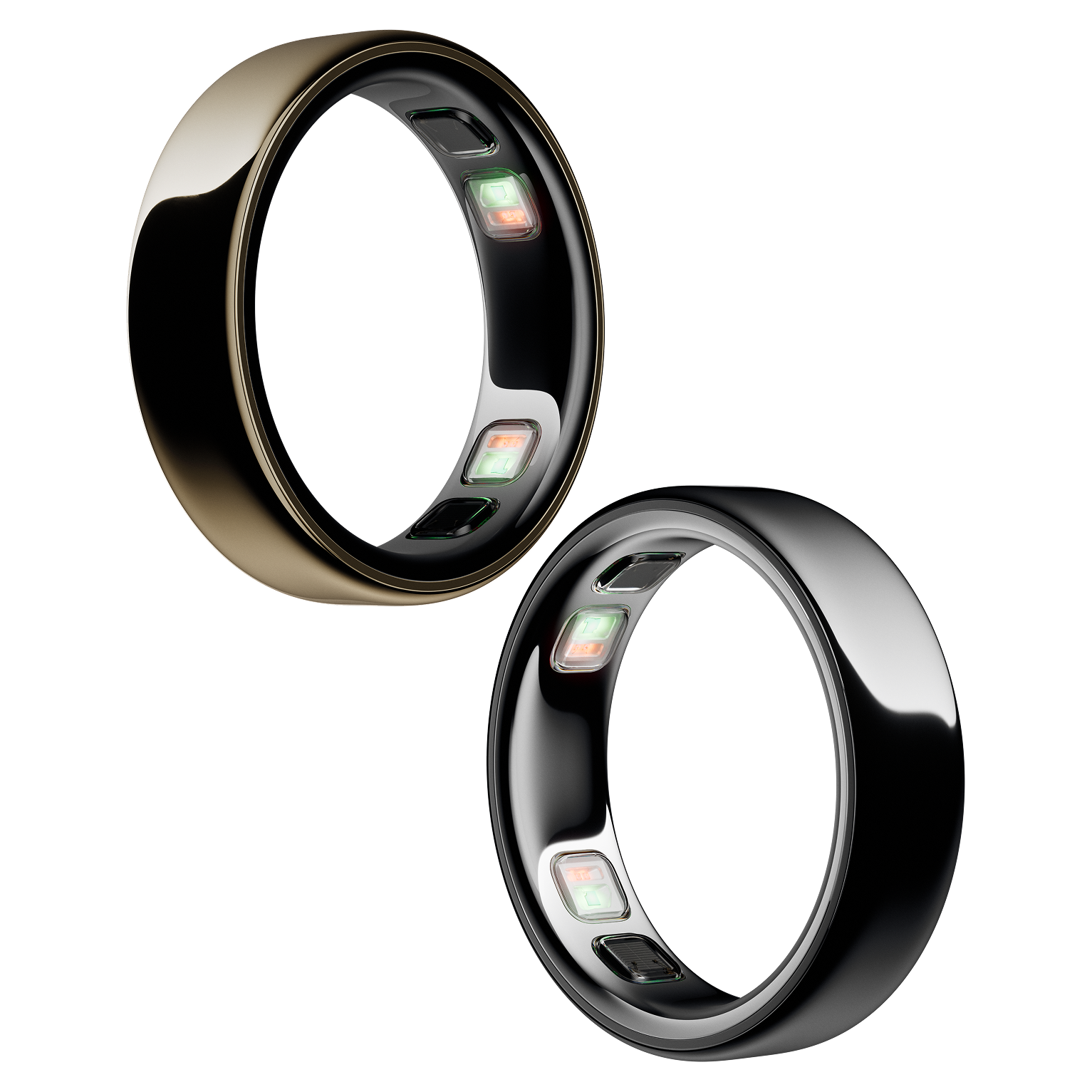
Through the Oura integration, you can also bring wearable-derived information into your Oova experience, making it easier to explore your hormones alongside sleep, readiness, and symptoms.
The goal isn't another isolated number. It's more context about what may be happening in your body.
Track yours with Oova →
Your body is changing every day. Your hormone data tells the story.
Oova helps you move beyond a single hormone snapshot by tracking LH, E3G, and PdG across your cycle.
See how your hormone levels change over time, connect them with your symptoms and wearable data, and build a clearer picture of your individual patterns.
Already using Oura? Connect your account in the Oova app to bring your data together.
.png)
Research details
Research findings are preliminary and intended to inform further investigation. Oova is not intended to diagnose sleep disorders or determine the cause of changes in sleep or readiness.