For employers, brokers & benefits partners

Your fertility benefit starts at diagnosis. Your members started two years ago.

Lab-accurate estrogen, progesterone and LH, measured at home over time. The years of hormone health your benefits never see.

Clinically validated · FSA/HSA eligible · Developed at Mount Sinai

A woman standing in a bright room
The coverage gap

Coverage begins at diagnosis. The journey begins years earlier.

Coverage becomes visible once a member enters clinical care. The months and years before that are invisible to the benefit system, and that is where the journey starts.

Trying

Tracking and guesswork. No objective data.

Uncertainty

Symptoms without answers. Self-funded.

Diagnosis

Specialist evaluation and workup.

Treatment

Medication, IUI, IVF, or hormone therapy.

Member pays out of pocketBenefit typically engages

The same gap runs longer in perimenopause, where coverage often starts at a prescription.

Two populations, one benefit

The same gap, twice over.

Usually procured as two separate point solutions. They are the same problem: hormones that move over time, measured once or not at all.

A woman checking her phone while leaning against a wall
Fertility

The years before treatment

Invisible today

Whether ovulation is happening, and when to stop trying and start asking.

What Oova adds

Quantitative hormone data across cycles, and a clinician-ready report for that first appointment.

A woman in a striped shirt looking at her phone
Perimenopause

The years before a prescription

Invisible today

Whether symptoms track a real hormone pattern, and whether therapy is working.

What Oova adds

Readings across weeks instead of one draw, so the trend behind the symptoms becomes visible.

Built to extend. Hormone optimization and postpartum use the same measurement and reporting, and slot in here as research matures.

The evidence · Oova × Flora Fertility

What members do when no benefit is watching.

A joint white paper analysing real usage records from 2021 to early 2026, covering the phase of the journey no benefit reaches.

Observed utilisation

268cycles tracked across 49 users
4median cycles per user; several tracked 10 to 21
1 in 5returned to track again in a later calendar year
~$32,000total out-of-pocket spend across the cohort, none of it covered

Journey length within the conception cohort

3median tracked cycles to reported pregnancy
73%reported pregnancy within six tracked cycles
~$543average monitoring spend, roughly $115 per cycle

Read these three figures carefully. Every user in this cohort was included because they reported a pregnancy. The numbers describe how long the journey ran within that group. They do not estimate conception rates among Oova users generally.

What it shows: a real population exists before assisted reproduction, their need persists across cycles and years, and they carry the cost themselves.

What it does not show: any claim that monitoring caused pregnancy, avoided treatment, or reduced claims. No control group, no claims data. Employer pilots are designed to test that prospectively.

The member experience

Three minutes at home. Data a clinician can act on.

No blood draw, no lab visit. Results arrive as quantitative hormone values, not a smiley face.

Step one

Test at home

A urine strip measuring estrogen, progesterone and LH together.

Step two

Scan with the app

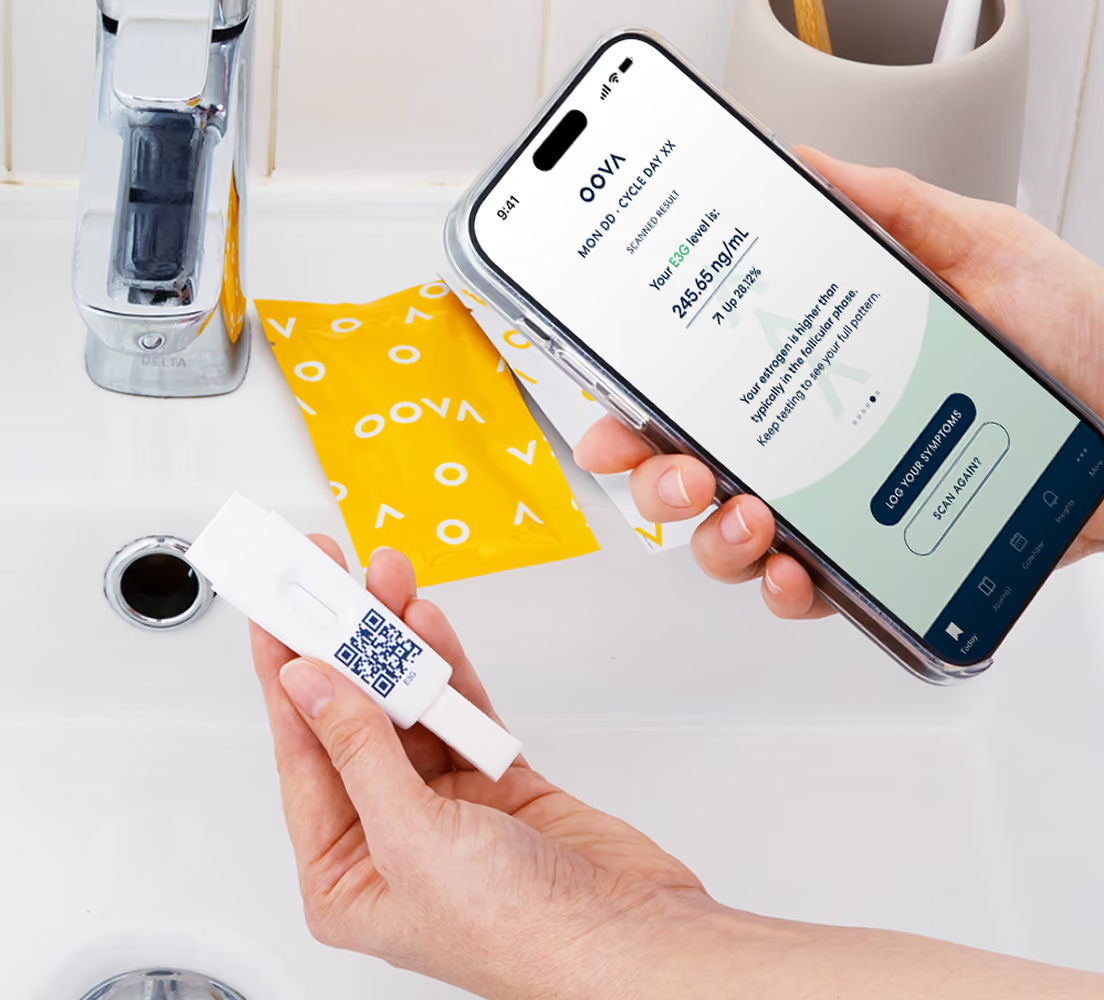
The phone camera returns real values, in plain language.

Step three

Share with a clinician

A HIPAA-compliant report she controls and brings to her own clinician.

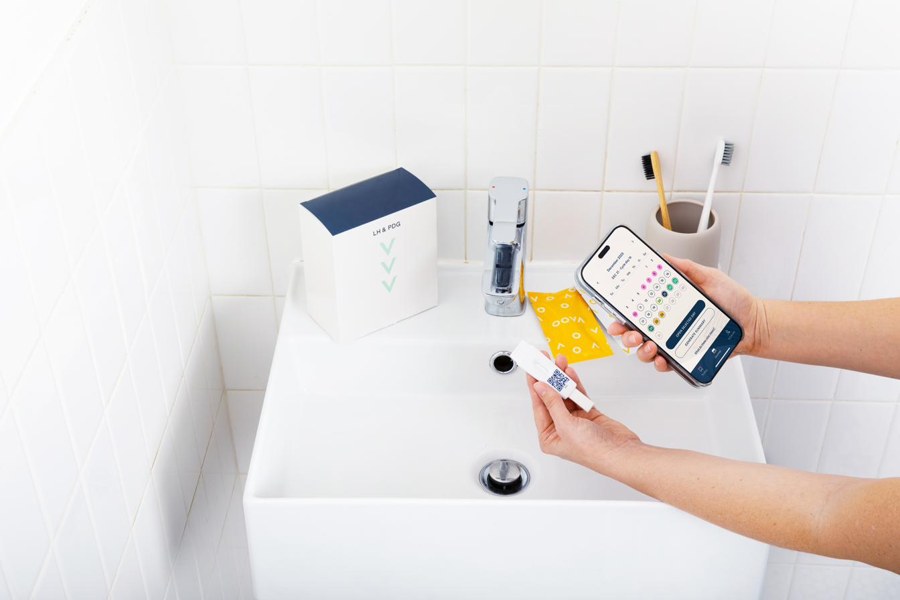
Testing at home: an Oova strip and the Oova app on a bathroom sink
Black and white portrait of a woman seated, looking at the camera

Research partners

11peer-reviewed studies and conference presentations
0.99correlation between at-home and lab serum readings
3hormones measured quantitatively
Fitting an existing stack

A layer, not another point solution.

Oova is not a care provider and does not compete with the vendor already in your stack. It supplies the measurement they lack, at the stage they do not reach.

Works alongside existing vendors

Members keep their current platform or clinician. Oova gives them better data.

Engages earlier in the journey

Reaches members before a benefit activates, where the out-of-pocket spend sits.

FSA and HSA eligible

Already reimbursable, so it can be introduced ahead of a full benefit decision.

Member-controlled data

HIPAA-compliant. Employers never receive individual hormone data.

Low implementation lift

No clinical network to stand up, no claims integration to begin.

Built on published science

Peer-reviewed work with Mount Sinai and academic partners, publicly listed.

Next step

Meet members before treatment, not after.

Oova and Flora are running employer pilots offering covered hormone monitoring, measuring access, engagement and member experience. Perimenopause pilots follow the same model.

For employers, brokers and benefits consultants, fertility benefit platforms, and women’s health partners.

Questions we get from benefits teams

Does this replace our fertility benefit?

No. It sits earlier than most fertility benefits reach, and works alongside whatever is already in place.

What data would our organisation receive?

Aggregate, de-identified access and engagement reporting. Never individual hormone data.

Who is eligible?

A defined population agreed before launch, such as members trying to conceive or a target age band.

How is it priced?

Per member per cycle of monitoring, not per enrolled life, so cost tracks actual use.

Can you demonstrate cost savings?

Not yet, and we won't claim otherwise. The research is descriptive. Testing cost effects is what the pilots are for.

How quickly can a pilot start?

No network to build and no claims integration needed, so timelines depend mainly on comms planning.