
A comprehensive guide to creatine supplementation during perimenopause and menopause, covering benefits for muscle preservation, bone health, dosage recommendations, and how it complements strength training.
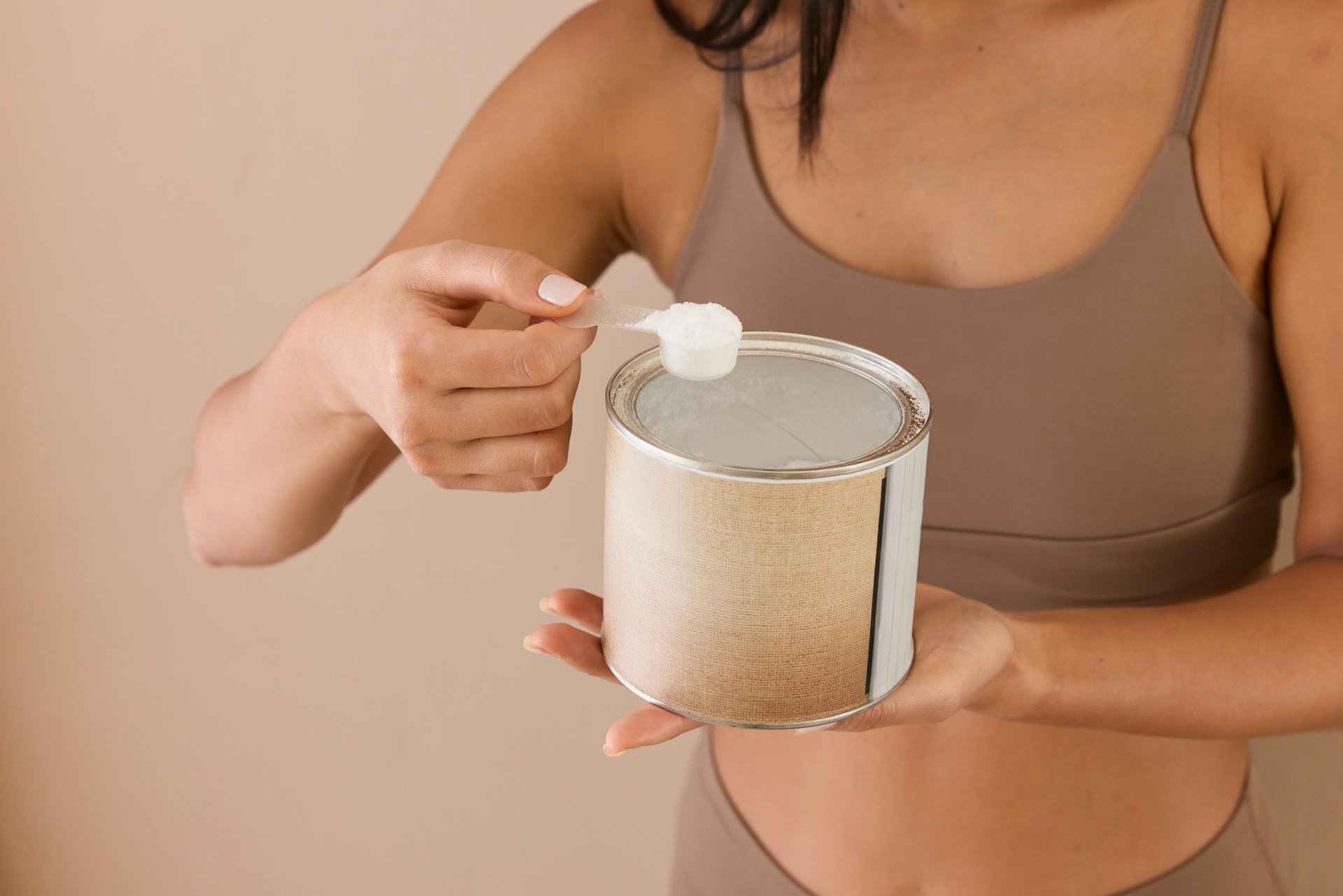
A comprehensive guide to creatine supplementation during perimenopause and menopause, covering benefits for muscle preservation, bone health, dosage recommendations, and how it complements strength training.
You're strength training regularly, eating enough protein, and still watching your muscle definition fade. Sound familiar?
During perimenopause, declining estrogen accelerates muscle loss at nearly double the rate you experienced in your 30s. While strength training is essential for combating this change, many women are discovering that creatine supplementation can amplify their results significantly.
Here's what you need to know about creatine for perimenopause and whether it's right for you.
What Is Creatine and How Does It Work?
Creatine is a naturally occurring compound found primarily in muscle cells. Your body produces small amounts, and you also get it from protein-rich foods like red meat and fish. Creatine helps your muscles produce energy during high-intensity exercise and heavy lifting.
While creatine doesn't directly alter estrogen or progesterone levels, it works synergistically with your changing hormones during perimenopause. Research suggests creatine may help offset some hormonal effects on muscle and bone by improving cellular energy production and supporting muscle protein synthesis, processes that become less efficient as estrogen declines. Think of it as providing your muscles with the fuel they need to maintain themselves, even when hormonal support is fading.
When you supplement with creatine, you increase your muscles' phosphocreatine stores, which helps your body produce more ATP, the key energy molecule your cells use during exercise. This translates to improved strength, power output, and muscle growth.
For decades, creatine has been extensively studied in athletes and bodybuilders. Recently, researchers have turned their attention to how creatine benefits women during perimenopause and menopause.
Why Creatine Matters During Perimenopause
Perimenopause brings hormonal fluctuations that dramatically affect your body composition. As estrogen levels decline, you experience:
- Accelerated muscle loss: Women lose 3-8% of muscle mass per decade starting at age 30, but this increases to 5-10% after menopause
- Decreased bone density: Low estrogen increases osteoporosis risk
- Slower metabolism: Less muscle mass means fewer calories burned at rest
- Reduced strength and power: Hormonal changes affect muscle fiber quality and function
Creatine supplementation addresses several of these issues simultaneously.
The Benefits of Creatine for Women Over 40
1. Preserves and Builds Muscle Mass
Research shows that creatine supplementation combined with resistance training is more effective at preserving muscle mass during menopause than resistance training alone. One study found that postmenopausal women who took creatine while strength training gained significantly more lean muscle mass compared to those who only did resistance training.
This matters because maintaining muscle mass during perimenopause isn't just about aesthetics, it's about preserving your metabolic rate, physical independence, and overall health.
2. Improves Bone Density
Emerging research suggests creatine may benefit bone health, which is critical during perimenopause when declining estrogen accelerates bone loss. Some studies indicate that creatine supplementation, particularly when combined with resistance training, may help improve bone mineral density in postmenopausal women.
While more research is needed, the potential bone-protective effects make creatine particularly appealing during this life stage.
3. Enhances Strength and Exercise Performance
If you're following a strength training program for perimenopause, creatine can help you lift heavier weights and complete more repetitions. This increased training capacity translates to better muscle-building results over time.
Women supplementing with creatine often report being able to progress faster in their training programs, crucial when you're fighting against hormone-driven muscle loss.
4. Supports Cognitive Function
Creatine isn't just for muscles. Your brain uses significant amounts of energy, and creatine helps fuel cognitive function. Some research suggests creatine supplementation may help with memory, mental fatigue, and brain fog, common complaints during perimenopause.
5. May Reduce Menopausal Symptoms
Preliminary research hints that creatine might help alleviate some menopause symptoms, though more studies are needed. The proposed mechanisms include improved muscle mass (which helps regulate metabolism and mood) and potential effects on neurotransmitter function.
How Much Creatine Should You Take?
For women in perimenopause, the recommended dosage is:
Loading Phase (Optional): 20 grams per day split into 4 doses for 5-7 days
Maintenance Phase: 3-5 grams per day
Many women skip the loading phase and start directly with the maintenance dose of 3-5 grams daily. While this approach takes longer to saturate your muscles with creatine (about 3-4 weeks instead of one week), it works just as well long-term and causes fewer digestive issues.
Best practices:
- Take creatine at the same time daily for consistency
- Mix with water, juice, or add to smoothies
- Timing doesn't matter much, take it whenever it's convenient
- Stay well-hydrated throughout the day
Is Creatine Safe for Women in Perimenopause?
Creatine monohydrate is one of the most researched supplements available, with decades of safety data. For healthy women, creatine supplementation is considered very safe.
Common myths debunked:
- "Creatine causes weight gain": You may gain 1-2 pounds initially from water retention in muscles, but this is intracellular water that makes muscles appear fuller, not bloating
- "Creatine is only for men": Women benefit equally from creatine; we just historically haven't been included in as many studies
- "Creatine damages your kidneys": In healthy individuals, creatine doesn't harm kidney function
When to check with your doctor:
- If you have existing kidney problems
- If you're taking medications that affect kidney function
- If you have diabetes (creatine may affect blood sugar)
Combining Creatine With Strength Training
Creatine works best when paired with a consistent strength training routine. For optimal results during perimenopause:
- Strength train 2-3 times per week minimum
- Focus on compound movements (squats, deadlifts, presses)
- Progressively increase weight over time
- Consume adequate protein (0.7-1 gram per pound of body weight)
- Track your hormone levels to understand how your body is changing
The combination of resistance training, adequate protein, and creatine supplementation creates a powerful strategy for preserving muscle mass and strength during hormonal transition.
Choosing the Right Creatine Supplement
Choosing the right supplements can be hard. Look for:
- Creatine monohydrate: The most researched and effective form
- Third-party tested: NSF Certified for Sport or Informed-Choice certification
- Unflavored options: Easier to add to any beverage
- Micronized creatine: Dissolves more easily in liquid
Avoid expensive "proprietary blends" or exotic creatine forms, creatine monohydrate is the gold standard and most cost-effective option.
Tracking Your Progress
Because perimenopause involves fluctuating hormones, tracking your progress helps you understand what's working:
- Measure strength gains: Track weights lifted and repetitions
- Monitor body composition: Use measurements or progress photos rather than just the scale
- Track energy levels: Note improvements in workout performance and daily energy
- Monitor hormone levels: Understanding your estrogen and progesterone patterns helps contextualize changes in muscle mass and strength
Hormone testing can reveal where you are in your perimenopausal journey and help you optimize your nutrition and supplementation strategy accordingly.
The Bottom Line on Creatine for Perimenopause
Creatine supplementation offers multiple benefits for women navigating perimenopause:
- Helps preserve and build muscle mass during hormonal decline
- Supports bone density when estrogen protection decreases
- Enhances strength training results
- May improve cognitive function and reduce brain fog
- Safe and well-researched for long-term use
While creatine isn't a magic solution, it's one of the few supplements with strong scientific backing for the specific challenges perimenopause presents. Combined with consistent strength training, adequate protein intake, and awareness of your hormonal patterns, creatine can be a valuable tool for maintaining strength and vitality during this transition.
Your hormones didn't stop changing. Neither should your strategy for staying strong.
About the author
Sources
- Candow, D. G., Forbes, S. C., Chilibeck, P. D., et al. (2023). "Effectiveness of Creatine Supplementation on Aging Muscle and Bone: Focus on Falls Prevention and Inflammation." Journal of Clinical Medicine, 12(2), 665.
- Gualano, B., Rawson, E. S., Candow, D. G., & Chilibeck, P. D. (2016). "Creatine supplementation in the aging population: effects on skeletal muscle, bone and brain." Amino Acids, 48(8), 1793-1805.
- Candow, D. G., Chilibeck, P. D., Forbes, S. C., et al. (2019). "Creatine supplementation for older adults: Focus on sarcopenia, osteoporosis, frailty and Cachexia." Bone, 162, 116467.
- Pinto, C. L., Botelho, P. B., Carneiro, J. A., et al. (2016). "Impact of creatine supplementation in combination with resistance training on lean mass in the elderly." Journal of the International Society of Sports Nutrition, 13, 40.
- Chilibeck, P. D., Kaviani, M., Candow, D. G., & Zello, G. A. (2017). "Effect of creatine supplementation during resistance training on lean tissue mass and muscular strength in older adults: a meta-analysis." Open Access Journal of Sports Medicine, 8, 213-226.
- Avgerinos, K. I., Spyrou, N., Bougioukas, K. I., & Kapogiannis, D. (2018). "Effects of creatine supplementation on cognitive function of healthy individuals: A systematic review of randomized controlled trials." Experimental Gerontology, 108, 166-173.
- Smith-Ryan, A. E., Cabre, H. E., Eckerson, J. M., & Candow, D. G. (2021). "Creatine Supplementation in Women's Health: A Lifespan Perspective." Nutrients, 13(3), 877.
About the Oova Blog:
Our content is developed with a commitment to high editorial standards and reliability. We prioritize referencing reputable sources and sharing where our insights come from. The Oova Blog is intended for informational purposes only and is never a substitute for professional medical advice. Always consult a healthcare provider before making any health decisions.


