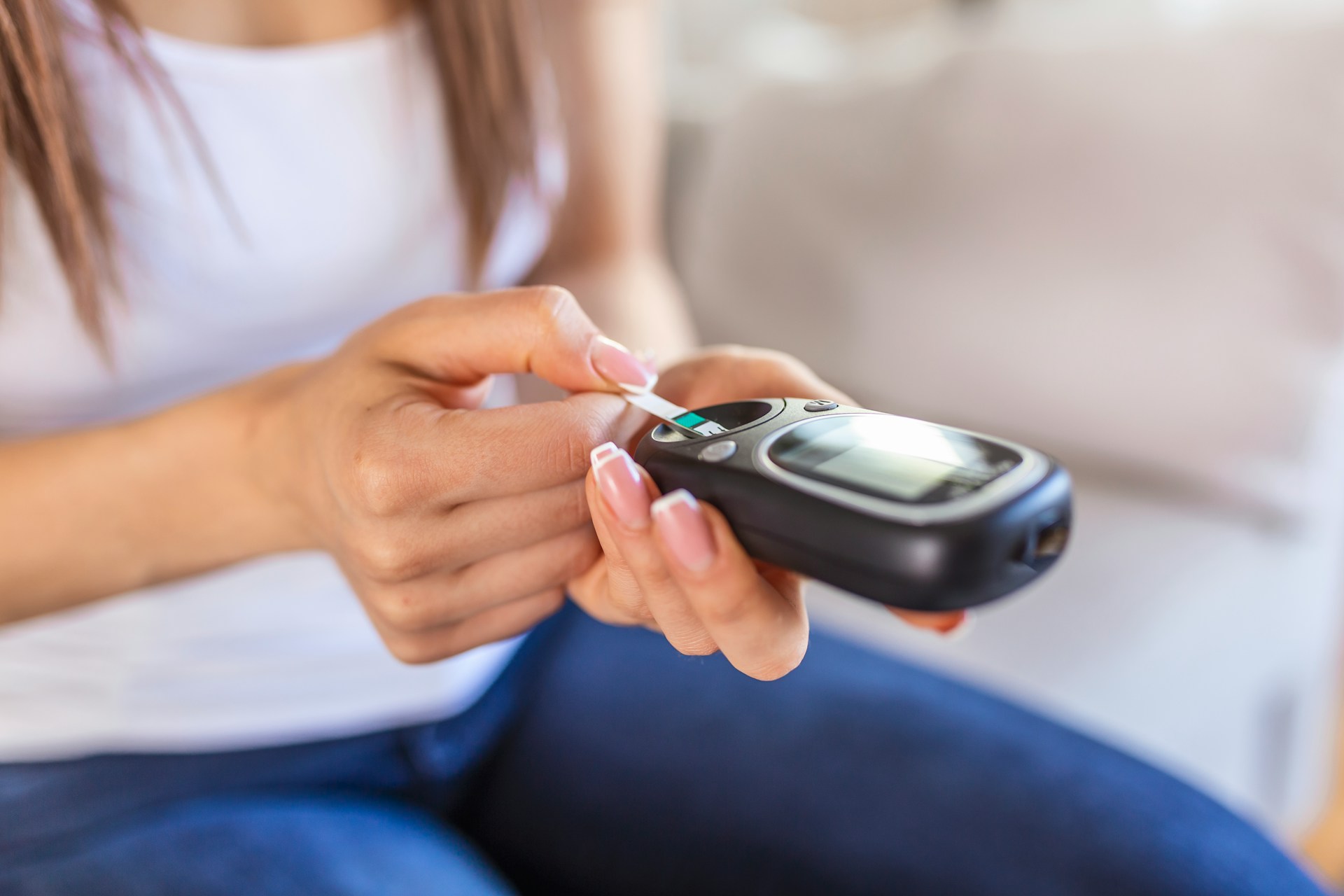
GLP-1 medications like Ozempic and Wegovy don't affect every woman the same way. While some women primarily lose fat, others lose muscle, strength, or recovery capacity. Here's how hormones, perimenopause, and body composition may influence your results.
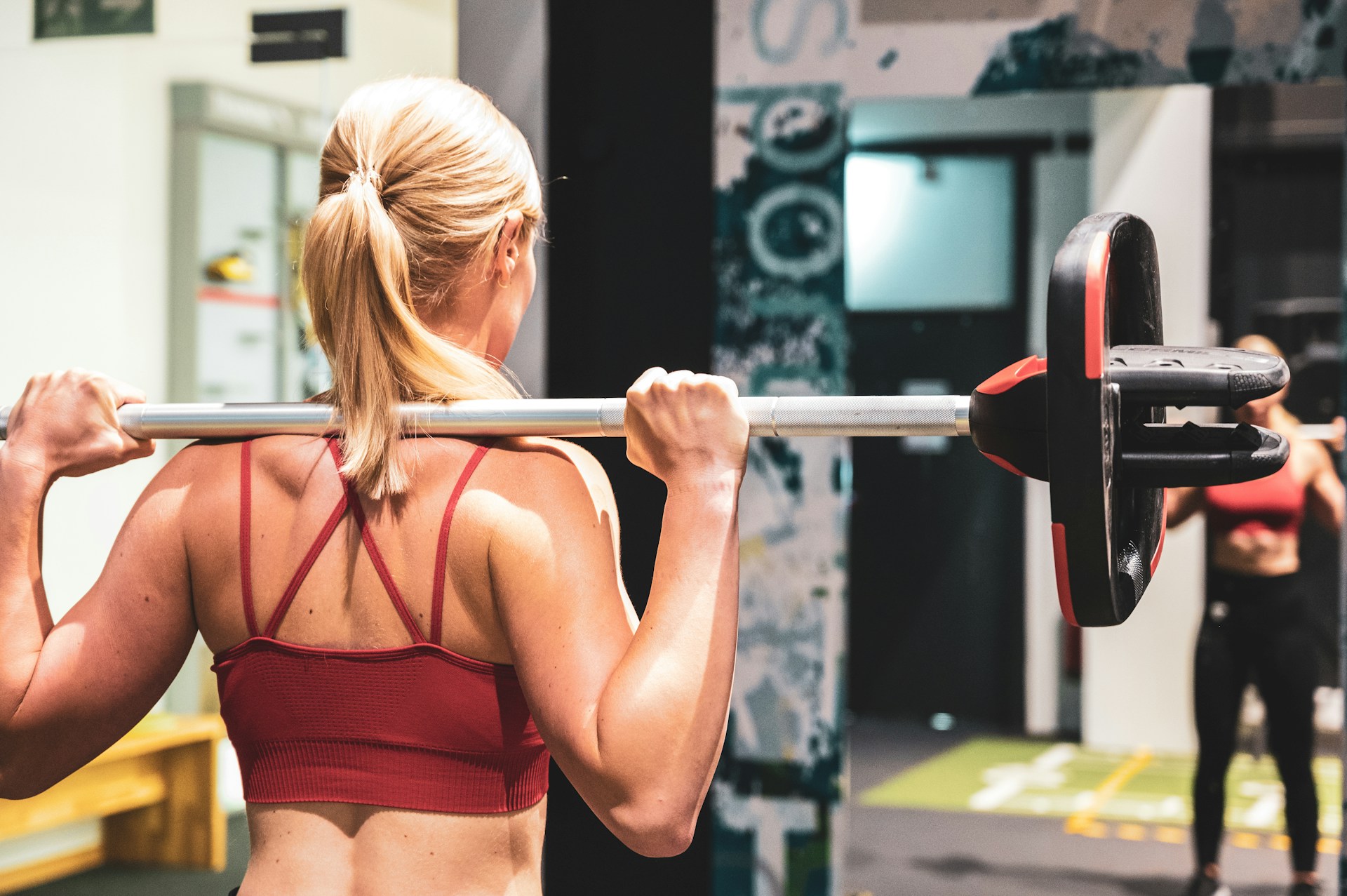
GLP-1 medications like Ozempic and Wegovy don't affect every woman the same way. While some women primarily lose fat, others lose muscle, strength, or recovery capacity. Here's how hormones, perimenopause, and body composition may influence your results.
The Same Medication. Completely Different Results.
Two women. Same GLP-1 medication. Same dose. Six months in.
One woman lost 18 pounds. She feels stronger than she did in her 30s. Her clothes fit differently in the right ways. She's sleeping well, recovering from workouts, and her body composition looks genuinely better.
The other has also lost 20 pounds. But something feels off. She's exhausted. Her strength is gone. She looks softer, not leaner. Her doctor says the medication is working. The scale agrees. Her body doesn't.
If you've experienced something closer to the latter, or you're about to start a GLP-1 and want to understand the full picture, the difference between these two outcomes isn't willpower, protein shakes, or how hard they're working out.
It may be their hormones.
Why Weight Loss Isn't the Same as Fat Loss
This is the part that gets left out of most GLP-1 conversations.
GLP-1 medications, Ozempic, Wegovy, Mounjaro, work by reducing appetite and slowing digestion. You eat less. You lose weight. But weight is not a single thing. It's fat mass, muscle mass, bone density, and water, and when the scale drops, it doesn't tell you which one you lost.
Clinical data on semaglutide shows that up to 39% of total weight lost can come from lean mass, muscle, not fat [1]. In some populations, that number is higher.
This is why two women can lose the exact same amount of weight and have completely different body composition outcomes. One loses mostly fat. The other loses a significant proportion of muscle, and with it, her strength, her metabolism, and her recovery capacity.
What determines which category you fall into? A lot of it comes down to the hormonal environment your body is operating in when the medication starts working.
The Hormones That Influence GLP-1 Body Composition Results
Estrogen
Estrogen plays a direct role in muscle protein synthesis, fat distribution, and insulin sensitivity. When estrogen is adequate, your body has a stronger signal to preserve lean mass even when calories drop.
When estrogen is low or fluctuating, which happens throughout perimenopause, that protective signal weakens. The same caloric deficit that helps a premenopausal woman lose mostly fat can push a perimenopausal woman toward losing muscle instead.
This is one reason body composition outcomes on GLP-1s vary so significantly among women over 40. It's not the medication behaving differently. It's the hormonal environment it's operating in.
Understanding what your estrogen levels actually look like, and when they're fluctuating, is different from assuming everything is fine because a single lab came back normal. Estrogen influences body composition long before any change shows up on the scale, and its relationship with weight gain is more nuanced than most women are told.
Progesterone, sleep, and the stress spiral
Progesterone is the hormone that declines earliest in perimenopause, often years before estrogen follows. And its effects on body composition are mostly indirect, which is why they get missed.
Low progesterone disrupts sleep. Poor sleep raises cortisol. Elevated cortisol is catabolic, it signals your body to break down muscle for energy and promotes visceral fat storage.
When a woman with low progesterone starts a GLP-1, she's often running on fragmented sleep and elevated stress before the medication even enters the picture. The caloric restriction amplifies what's already happening. The result: the scale moves, but body composition gets worse. Progesterone's effects on physical performance and recovery are real and measurable, and they matter for how your body responds to GLP-1 therapy.
Cortisol
Chronic stress and elevated cortisol can influence estrogen signaling, recovery, sleep quality, and body composition in ways that compound over time. For women in perimenopause already dealing with declining estrogen, a high-stress baseline makes the hormonal picture significantly harder to manage.
The cortisol-estrogen connection is one of the underappreciated reasons some women lose weight on a GLP-1 but still feel like their body composition is moving in the wrong direction.
Why Perimenopause Changes the Equation
Perimenopausal women are already losing muscle. Declining estrogen accelerates muscle loss by up to 10% per decade [2]. Body fat redistributes from peripheral to visceral even without the scale moving. Insulin sensitivity decreases. Sleep deteriorates.
A GLP-1 dropped into this environment creates a caloric deficit in a body that is already metabolically primed toward lean mass loss. The medication doesn't know what's happening hormonally. It doesn't adjust for it.
This is also why many women in perimenopause feel like GLP-1 results don't match what they were promised. The clinical trials that established prescribing guidelines were not stratified by menopausal status. The outcomes that look impressive in aggregate may look very different for women whose estrogen has already started declining.
If you've been noticing body composition changes, weight redistributing toward your midsection, muscle that's harder to maintain, fatigue that doesn't match your effort, understanding where you are in the perimenopause transition provides context the scale cannot. Perimenopause isn't one hormonal state, there are distinct hormone patterns within it, and which pattern you're in shapes how your body responds to everything else, including a GLP-1.
What the Scale Can't Tell You
The scale can tell you that you lost 20 pounds.
It cannot tell you:
- Whether you lost fat or muscle
- Whether your sleep is improving or deteriorating
- Whether your estrogen is declining in ways that affect long-term metabolic health
- Whether your recovery is getting worse
- Whether your hormones are changing in ways that won't show up for months
Two women can weigh exactly the same and have completely different body composition, metabolic health, and hormone profiles. This is one reason many women feel frustrated when they're told their weight loss means everything is working. The scale is measuring one outcome. Your body is experiencing hundreds.
If you've been told your labs look normal but something still feels off, that experience has an explanation, and it's more common than it should be.
The gap between "the medication is working" and "my body composition is actually improving" can be wide. Knowing what's happening hormonally is what closes it.
How to Protect Body Composition While on a GLP-1
The research is consistent on what preserves lean mass during GLP-1 therapy:
Resistance training, 2–3x per week. Women who combine GLP-1 therapy with resistance training consistently show better body composition outcomes than those doing cardio or nothing. The principles that counter perimenopausal muscle loss apply directly here.
Protein, per meal not just per day. Targeting 25–30g of protein per meal, not just hitting a daily total, maximizes muscle protein synthesis when total caloric intake is suppressed.
Sleep as a metabolic priority. Poor sleep during GLP-1 therapy elevates cortisol, disrupts growth hormone, and undermines both fat loss and lean mass preservation. If perimenopause is already fragmenting your sleep, that's a variable worth addressing directly.
Understanding your hormonal environment. If you're perimenopausal and not on HRT, your hormonal baseline may be actively working against you. Early research on the HRT and GLP-1 combination suggests estrogen support may shift the composition of weight lost more favorably toward fat, a conversation worth having with your provider. Estrogen's effects on body composition and metabolic health are real and meaningful regardless of whether a GLP-1 is in the picture. Many women are also asking whether HRT changes how they respond to GLP-1s. While research is still emerging, hormone status may be one reason some women thrive while others struggle with the same treatment. Read: Why Some Women Thrive on HRT and Others Feel Worse.
The Missing Variable: Understanding Your Hormone Patterns
Many women assume a GLP-1 is the entire story. Start it, lose weight, problem solved.
But hormones influence recovery, sleep quality, fat distribution, stress response, and your body's lean mass preservation capacity. If your body composition results don't match what you expected, understanding those hormone patterns may provide context the scale cannot.
The distinction that matters: a single blood draw tells you where your hormones were at 9am on a Tuesday. Your body lives in the pattern, the daily fluctuations, the week-to-week shifts, the night-by-night variability that explains why some stretches feel manageable and others feel impossible.
That's the difference between a snapshot and a longitudinal picture. And it's the difference between knowing your hormones look "normal" on paper and understanding what they're actually doing.
When you're making decisions about GLP-1 therapy, HRT, training strategy, and long-term metabolic health, patterns are what actually help.
If your body is responding differently to a GLP-1 than you expected, or you want to understand your hormonal baseline before you start, Oova measures estrogen, progesterone, and LH daily through a simple urine test. Understanding your hormone patterns over time can provide context that weight, symptoms, or a single lab result cannot. Oova measures estrogen, progesterone, and LH daily, helping women see how hormone changes may be influencing recovery, body composition, and metabolic health.
Learn more about the Oova hormone optimization experience →
The Bottom Line
The most successful GLP-1 outcomes aren't defined by how much weight you lose, but by how your body composition changes along the way.
Whether you lose primarily fat or a significant proportion of lean mass depends on your hormonal environment, sleep quality, stress load, protein intake, and training.
For women in perimenopause, or any woman whose hormones are fluctuating, the gap between "the scale went down" and "my body composition actually improved" can be wide.
Weight is a number. Body composition is your health. Your hormones may be the variable that explains the difference.
Start tracking your hormones with Oova →
Frequently Asked Questions
Do GLP-1 medications cause muscle loss?
They can. Clinical data shows up to 39% of total weight lost on semaglutide may come from lean mass rather than fat. Whether you primarily lose fat or muscle depends on your hormonal environment, protein intake, resistance training, and sleep quality.
Why do GLP-1s affect women's body composition differently?
Hormones, particularly estrogen and progesterone, directly influence muscle protein synthesis, fat distribution, insulin sensitivity, and how your body responds to caloric restriction. A woman in perimenopause with declining estrogen is in a different metabolic environment than a premenopausal woman, even at the same dose.
Is perimenopause a risk factor for muscle loss on Ozempic or Wegovy?
Potentially yes. Declining estrogen during perimenopause accelerates muscle loss and reduces the body's ability to preserve lean mass during caloric restriction. GLP-1-induced caloric restriction on top of this hormonal environment may increase the proportion of weight lost from muscle rather than fat.
Can HRT help protect body composition while on a GLP-1?
Early research and clinical observation suggest estrogen therapy may help preserve lean mass during weight loss. Large trials specifically studying the HRT and GLP-1 combination are ongoing, but the biological rationale for a synergistic benefit is strong.
What's the best way to protect lean mass on a GLP-1?
Resistance training 2–3x per week, 25–30g protein per meal, restorative sleep, stress management, and understanding your hormonal environment, including discussing HRT with your provider if you're perimenopausal.
How do I know if I'm losing muscle instead of fat on a GLP-1?
The scale alone won't tell you. Watch for declining strength, increased fatigue, feeling softer despite weight loss, reduced exercise tolerance, and slower recovery. Regular strength tracking or DEXA scans give you a much clearer picture of body composition than weight alone.
About the author
Sources
- Wilding JPH, et al. "Once-Weekly Semaglutide in Adults with Overweight or Obesity." New England Journal of Medicine. 2021;384:989–1002.
- Maltais ML, Desroches J, Dionne IJ. "Changes in muscle mass and strength after menopause." Journal of Musculoskeletal and Neuronal Interactions. 2009;9(4):186–197.
- Hansen M, Kjaer M. "Influence of sex and estrogen on musculotendinous protein turnover at rest and after exercise." Exercise and Sport Sciences Reviews. 2014;42(4):183–192.
About the Oova Blog:
Our content is developed with a commitment to high editorial standards and reliability. We prioritize referencing reputable sources and sharing where our insights come from. The Oova Blog is intended for informational purposes only and is never a substitute for professional medical advice. Always consult a healthcare provider before making any health decisions.